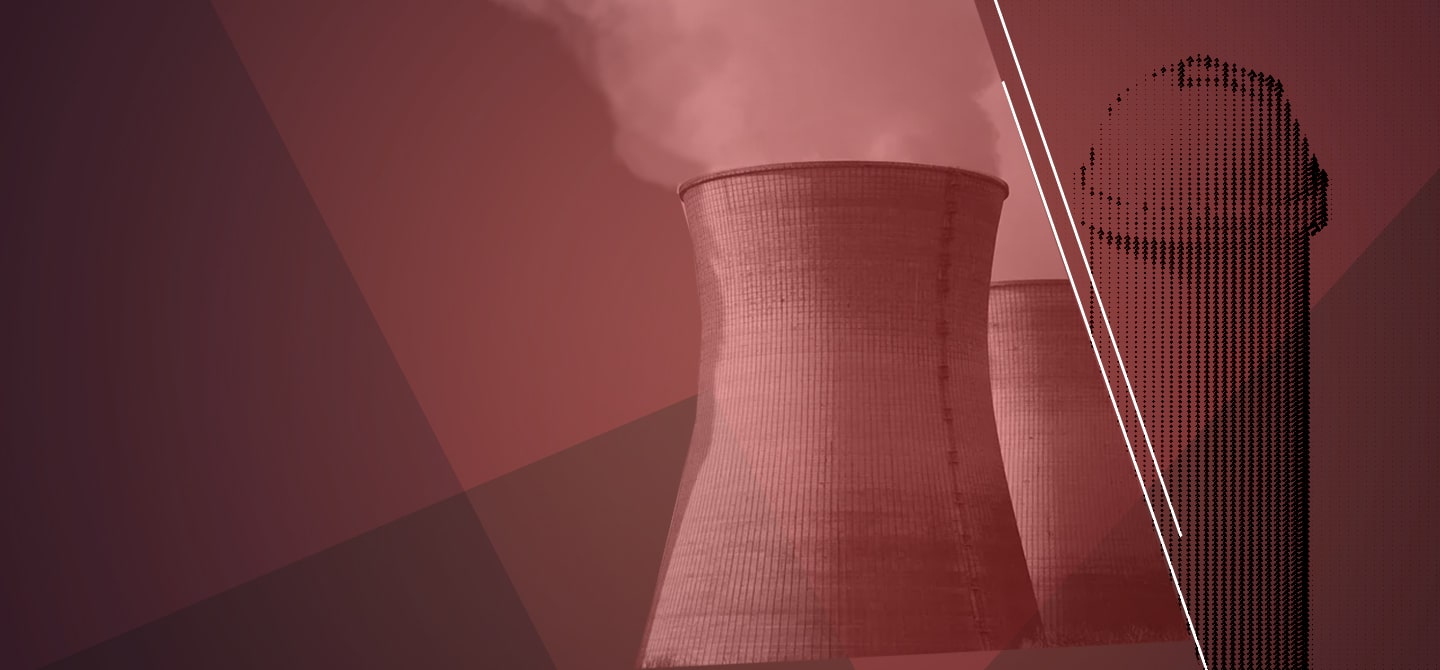


Several countries are investing heavily in so-called fourth generation nuclear reactors. But what are the characteristics of these new reactors?
Less energy-intense and safer
Generation IV nuclear power refers to a system of fuel fabrication plants and reprocessing facilities that together overcome some of the shortcomings of current nuclear power installations. To be classified as Generation IV, a system must meet, or at least have the ability to meet, the following criteria: (1) it is much more fuel-efficient than current plants; (2) it is designed in such a way that severe accidents are not possible, that is, plant failure or an external event (such as an earthquake) should not result in radioactive material release to the outside world; (4) the fuel cycle is designed in such a way that uranium and plutonium are never separated (“diverged”) but only present in a mix and with other elements. This makes it more difficult to create nuclear weapons.
“Generation” and “reactor technology”
In the nuclear industry, the term “generation” is distinct from “reactor technology”, and a generation may comprise several types of technology. Different generations have specific requirements at a given point in time. The Generation IV International Forum 1, which is dedicated to future reactor research and was launched in 2001, has defined four generations of nuclear fission reactors, each with a certain set of objectives. Most of the reactors currently in operation are of the second and third generation, but China successfully started up a first fourth generation reactor with its high-temperature gas-cooled modular pebble bed (HTR-PM) demonstration project in late December 2021.
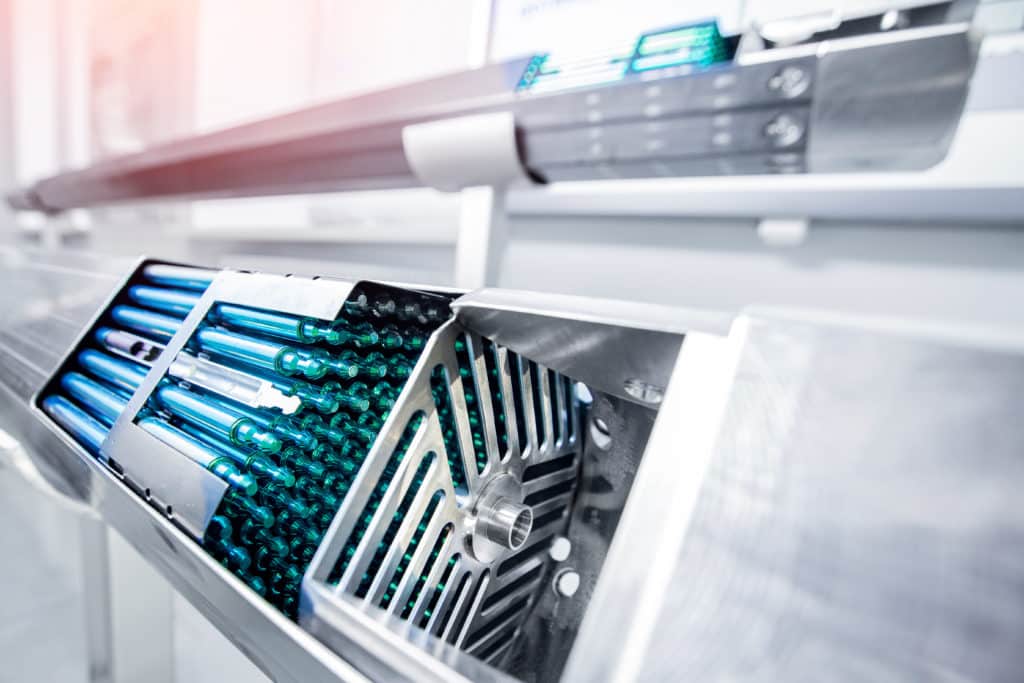
In 2020, the average age of the world’s nuclear fleet was 30 years, with 25% of the fleet being over 40 years old 2. Reactor operators are therefore endeavouring to extend the operation of this fleet through long-term investments, with new standards having been adopted following the Fukushima accident. Another requirement for Generation IV reactors is that they must produce more fuel than they consume as well as destroy the long-lived radioelements created in the reactor during operation.
Requires only uranium-238 to operate
Uranium used in nuclear reactors is composed of two isotopes: uranium-235, which can be used as fuel, and uranium-238, which makes up 99.3% of natural uranium and which must be converted to plutonium before it can be used as fuel. Plutonium is formed when uranium-238 captures neutrons from nuclear fission reactions.
Most “breeder” reactors must be fuelled with uranium-235, but most fourth generation reactors only need uranium-238 to operate. There are huge reserves of this isotope in the world, as it has been set aside over the years as a by-product of the uranium-235 enrichment process that enriches this isotope to the concentrations required for today’s reactors.
Even if nuclear power generation were to increase significantly, we would not need to extract additional uranium for a very long time. If it were to remain at current levels, the mined uranium we already have would be sufficient to run reactors for several thousand years.
As with Generation II and III reactors, the non-reusable fission products, or waste, from Generation IV reactors will also have to be disposed of safely and stored permanently. The same applies to the waste that will result from the decommissioning of these reactors at the end of their lives. A number of countries have invested a lot of money in the development of Generation IV reactors. While Europe has lagged behind Russia, China, Japan and India, France has picked up the pace of investment – notably with the government’s recent announcement to build new generation nuclear reactors (see Box 1). The main objective today in this context is to design reactors capable of destroying long-lived radioelements in spent fuel while producing new fuel.