
- Planet
- Energy
- Health and biotech
- Digital
- Space
- Economics
- Industry
- Science and technology
- Society
- Geopolitics
- Neuroscience
- Videos
- Magazine

 Subscribe to our weekly newsletter
Subscribe to our weekly newsletter
Subscribe to our weekly newsletter
Polytechnique Insights is a free online review, available in French and English, with the mission to inform public debate (decision-makers, leaders, journalists, citizens) on today's major issues through the lens of science and technology.
Our content is referenced by media in France and internationally (Le Monde, Les Echos, L'Express, Radio France, France Inter, Wired, The Atlantic, Huffington Post, etc.).
π Formats
Different formats are available to readers:
π The audience
Since its creation in 2021, Polytechnique Insights has seen a steady growth in audience, now with over 100,000 subscribers, of which 56,000 receive the weekly newsletter, and more than 80,000 readers per month.
92% of readers rated Polytechnique Insights 5 out 5 for confidence in our content (the other 8% rated 4 out of 5).
Sources: Google analytics, Readership survey of 1,400 participants (2023 and 2026).
π Ethics
Polytechnique Insights complies with the following ethical guidelines:
π Association
Polytechnique Insights is an association (Siren n°532 865 482) with the objective of dissemination of scientific knowledge. Its governance is composed of a board of directors and an editorial board. The operational body consists of an editorial committee. The association has established a contractual partnership with the Institut Polytechnique de Paris.
The board of directors supervises the association’s activities and implements its budget. It delegates part of its executive power to a board which meets once a month to monitor the association’s activity and approve guidelines proposed by the Executive Director of the association. The composition of the board is available here.
The editorial board defines the editorial policy and the topics covered by Polytechnique Insights. It identifies the authors who could be involved in the journal and helps the editorial team to contact them. The composition of the committee is available here.
The scientific editor-in-chief of the journal is the president of the teaching and research committee of the Institut Polytechnique de Paris. The Scientific Editor-in-chief of the journal is the Head of Education and Research Committee of the Institut Polytechnique de Paris. He can be contacted by a member of the editorial team and refuse the publication of a text if it does not conform with the editorial line of the journal.
π Funding
Polytechnique Insights is funded under the tax status of corporate sponsors at €20,000 to €25,000 per year per company. 26 companies have supported the project since 2020: Altice, Ardian, Arkema, Axa, Barclays, BCG, BNP Paribas, Dassault Systèmes, Deloitte, EDF, Engie, Europ Assistance, Generali, Goldman Sachs, Groupama, Iliad, JCDecaux, L’Oréal, Lazard, LVMH, Pharo Foundation, Sanofi, Société Générale, Sopra Steria, TotalEnergies et Veolia.
___________________________________________________________________________________________________
π Governance
Founder of the magazine: Jean Salmona
Honorary Presidents:
Honorary Vice-President:
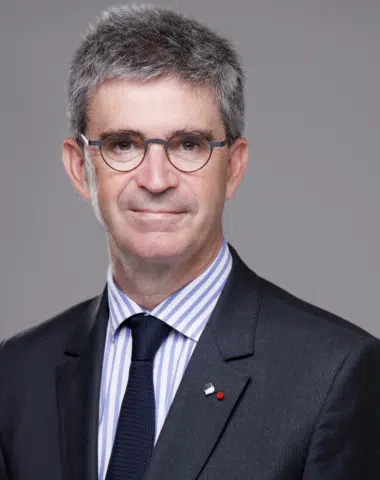
Bruno Angles is a graduate of Ecole Polytechnique (IP Paris) and Ponts et Chaussées engineering school. He began his career in 1988 in the construction sector, before joining the office of Bernard Bosson, Minister of Infrastructure, Transport and Tourism, as a technical advisor. He joined McKinsey in 1996, before becoming head of Vinci Energies in 2004. After a period with Mercer Delta, he became President of Macquarie France (2007-2016) and Credit Suisse in France and Belgium (2016-2021). He joined AG2R LA MONDIALE in 2021 and became Chief Executive Officer (2022-2025). He has been President of Polytechnique Insights since February 2025.
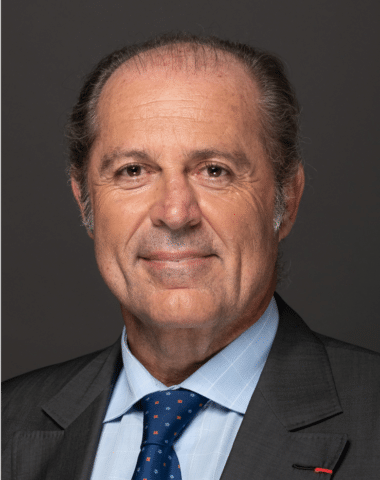
A 1983 graduate of the École Polytechnique, Philippe Donnet began his career with Axa in France and Canada. He became Managing Director of Axa in Italy in 1999, where he headed Axa Corporate Solutions, the reinsurance subsidiary Axa Re and several regions. He joined the Generali Group in 2013 as Managing Director of the Italian subsidiary, after creating and developing the Wendel Group's Asia zone and co-founding the investment company HLD.
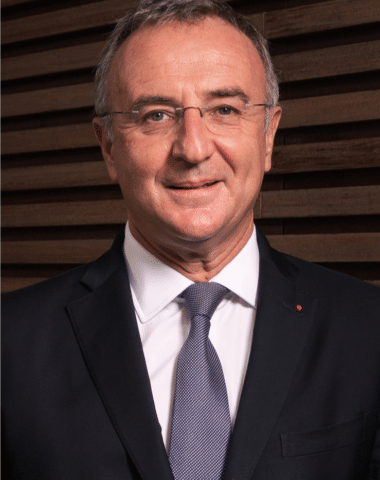
A graduate of ENA and Sciences-Po Paris and holder of a bachelor’s degree in literature and a master’s degree in history, he began his career at the Court of Auditors as an auditor. He then became a public auditor, before being appointed chief of staff to the president of the National Assembly (1992–93 and 1997–2000), and special advisor to the minister for the Economy, Finance and Industry (2000–01). He was elected mayor of Val-de-Reuil in 2001, and is the vice-president of the Seine-Eure conurbation. He also was the vice-president of the Haute-Normandie regional council (2004–15).
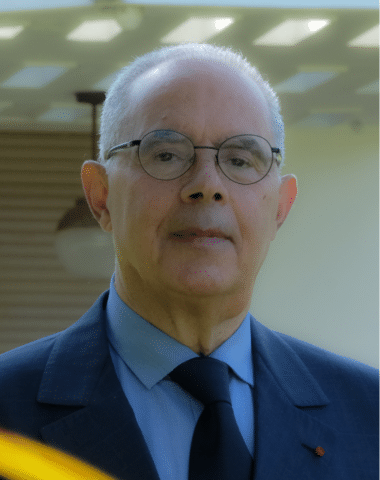
A former wali for the Casablanca region and a member of Parliament, Mohamed Kabbaj is a graduate of École polytechnique de Paris and École nationale des Ponts et Chaussées (the French civil engineering department). He holds an advanced degree (DEA) in econometrics from La Sorbonne and is member of the Académie Hassan II des Sciences et Techniques. Previously chairman of Lafarge Morocco, he was advisor to the King Mohammed VI, minister of Finance and Foreign Investment, minister of Public Works, Vocational Training and Executive Training, and chairman of the Development Committee of the IMF and the World Bank.
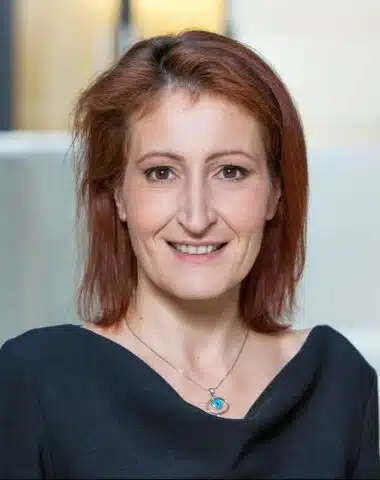
A graduate of the École Vétérinaire of Maisons-Alfort and holder of a Master's degree in Virology from the Institut Pasteur and a PhD in Immunology from the Université Paris 7, she began her career at Novartis, where she contributed to the integration of innovative technologies in R&D. She joined Sanofi in 2009 and held several strategic positions in product development and portfolio management. In 2019, she joined Bayer as Head of Digital Innovation, before becoming Head of Pharmaceutical Information Systems in 2021. In 2024, she becomes an independent consultant and Managing Director of LynxCare before joining Sanofi in January 2025 as Corporate Secretary.
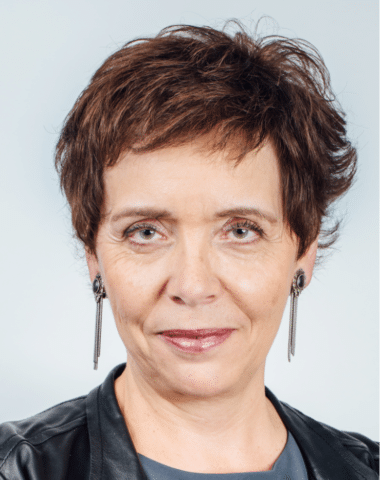
Catherine Lucet is a graduate of École polytechnique and École des Mines in Paris, and holds an MBA from INSEAD. She began her career at the Ministry of Foreign Affairs, before joining McKinsey. She then became director of the Harlequin publishing house, before being appointed CEO of Elsevier. She is president of Nathan, Bordas, Retz and CLE International, and former president of Le Robert dictionaries. She is also a member of the Casino Group board of directors and of the supervisory board of Dutch publisher Brill.
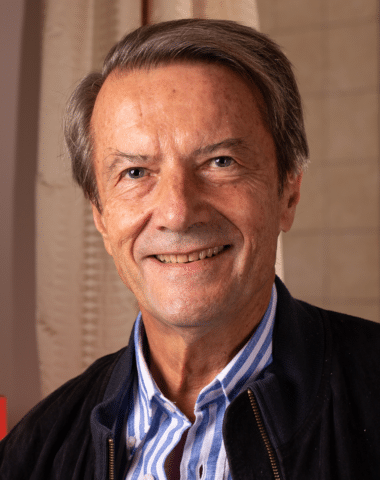
A graduate of École polytechnique and Sciences-Po Paris, Hervé Machenaud is also a member of the Académie des technologies. Hervé Machenaud began his career within the Ivory Coast’s Ministry of Planning, before joining the French civil engineering department, and then the EDF group. He was technical director for the construction of China’s Daya-Bay power plant, head of the nuclear programme, executive director of production and engineering, and, finally, director for the Asia-Pacific region.
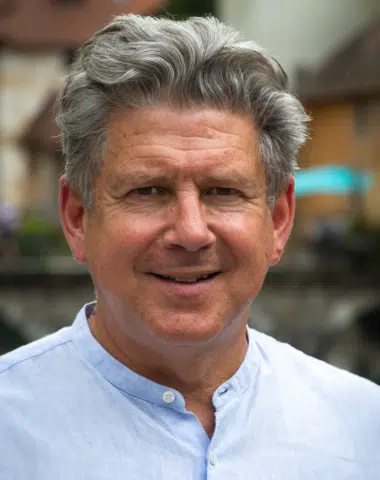
A graduate of École polytechnique and ENSAE, he was a journalist at Le Figaro, where he worked as a senior reporter, correspondent in the Middle East and the United States, and deputy editorial director. He founded the online business media E24.fr and worked as editor-in-chief of Paris Tech Review. Since 2018, he has headed the magazine Pour l'Eco and in 2020 joined the Institut du Capitalisme Responsable as general delegate. Stéphane Marchand is the author of several essays and novels, including French Blues, Le Commerce des illusions, La Guerre du luxe and L'Europe est mal partie.
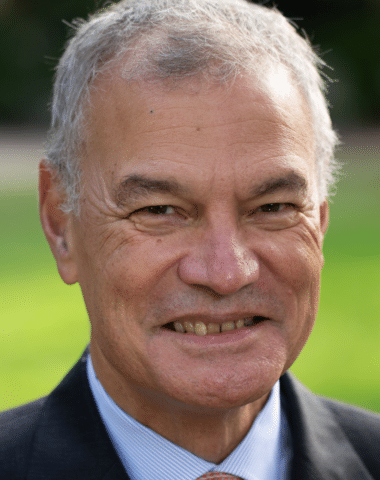
A professor of strategy at HEC Paris since 1989, Bernard Ramanantsoa was its CEO from 1995 to 2015. A former Supaéro engineer, he holds a HEC MBA, a PhD in management sciences from the Paris Dauphine University, an advanced DEA degree in sociology from the Paris Diderot University, and a DEA in the history of philosophy from Paris La Sorbonne. He has published a number of notable works, including Technologie et stratégie d’entreprise, Stratégie de l’entreprise et diversification and, most recently, Apprendre et oser and L’Enseignement supérieur français par-delà les frontières : l’urgence d’une stratégie.
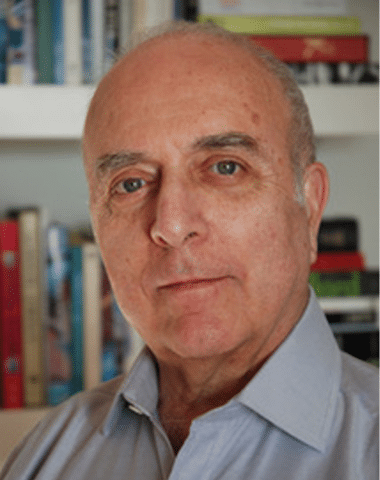
Jean Salmona is an École polytechnique, ENSAE and Sciences-Po Paris graduate. As an administrator at INSEE, he has spent most of his career in the public sector. He was ultimately appointed CEO of public company CESIA, privatised in 1998, which became Unilog Consultants. In 1971, he founded the NGO Data for Development, which he chaired until 1996. He founded ParisTech Review in 2009, which became Polytechnique Insights in 2021. He is also a musician and the author of the novels Une Fugue de Bach, Mort sur la Lune and Le Défilé du 14 juillet.
Catherine Lucet is a graduate of Ecole Polytechnique (IP Paris) and École des Mines in Paris, and holds an MBA from INSEAD. She began her career at the Ministry of Foreign Affairs, before joining McKinsey. She then became director of the Harlequin publishing house, before being appointed CEO of Elsevier. She is president of Nathan, Bordas, Retz and CLE International, and former president of Le Robert dictionaries. She is also a member of the Casino Group board of directors and of the supervisory board of Dutch publisher Brill.
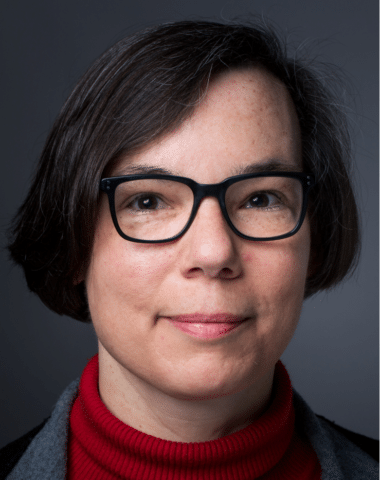
The core of Silke Biermann’s work involves physical systems with strong electronic correlations. She specialises in the development of methods to describe such systems. She also chairs the Physics department and teaches at École polytechnique.
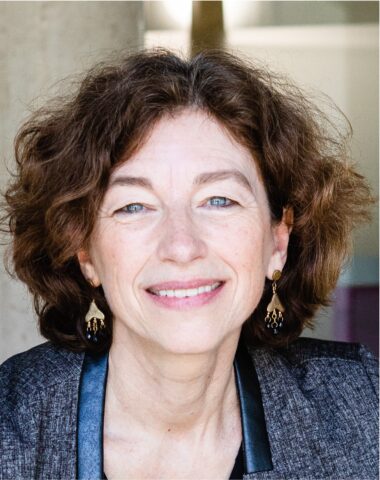
A graduate of the ENS, Marie-Paule Cani joined École Polytechnique in 2017 after more than twenty years at Grenoble INP, where she set up and led two Inria teams within CNRS UMRs. Her research, in the field of computer graphics, focuses on the expressive synthesis of animated virtual worlds: the aim is to design 3D representations, animation algorithms and interaction metaphors, enabling the intuitive creation and effective visual simulation of complex interacting objects. A former chair of the Computer Science Department at École Polytechnique and head of the Modelling Simulation & Learning division of LIX laboratory, she is a fellow of Hi!Paris AI research centre and a founding member of SPIRAL Art-Sciences research centre at Paris Institute of Technology.
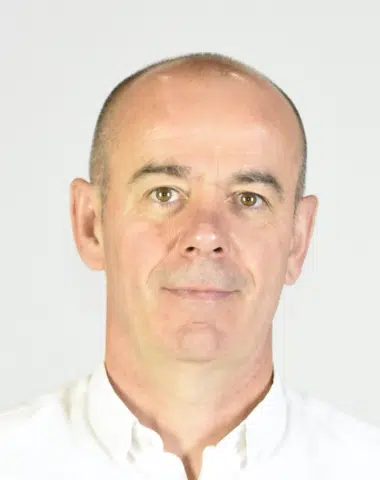
Xavier Chateau conducts research on the rheology of colloidal and non-colloidal suspensions, as well as on scaling approaches for pastes and heterogeneous materials. He is also interested in the macroscopic modelling of aerated materials. He teaches continuum mechanics, complex fluids and applied rheology. Research Director at the CNRS and Professor at the École Nationale des Ponts et Chaussées, he is also Deputy Director of Research at the École Nationale des Ponts et Chaussées. He has headed the Doctoral School of Science, Engineering and Environment (SIE) at Université Paris-Est and currently directs the Master's programme in Materials Science for Sustainable Construction at the Institut Polytechnique de Paris.
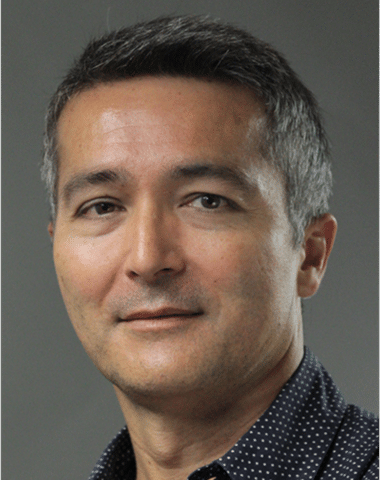
Stephan Clémençon is professor at Télécom Paris Institut Polytechnique de Paris, in the Image, Data and Signal Department (LTCI*). He leads the S2A research group and carries out his research in applied mathematics at the Information Processing and Communications Laboratory of Télécom Paris. His research topics are mainly in the fields of machine-learning, probability and statistics.
*LTCI: a research lab Télécom Paris - Institut Polytechnique de Paris, Institut Carnot
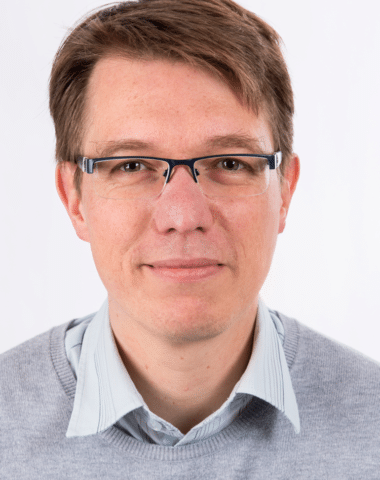
Cyril Crevoisier and his team study atmospheric climate variables, and greenhouse gases in particular, using spatial and airborne observations. He is a French National Centre for Scientific Research (CNRS) research director, and head of the Atmosphere, Biosphere and Climate Through Remote Sensing team at Laboratoire de météorologie dynamique (LMD) at École polytechnique. He also chairs the Scientific Committee for Earth Sciences at the National Center for Space Studies (CNES).
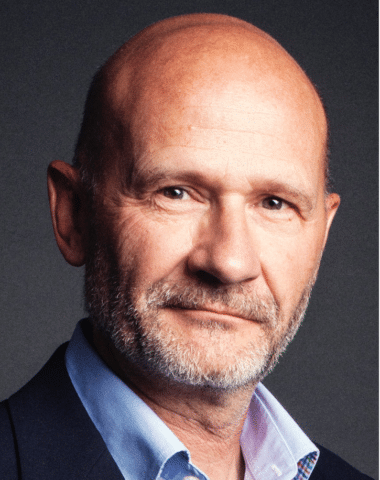
Philippe Escande also runs and hosts the monthly meetings of Le Monde’s economy club. He was a columnist for Les Échos until June 2012 and had a daily slot in the morning edition of Radio Classique. He is the author of Les Pirates du capitalisme, comment les fonds d’investissements bousculent les marchés (Albin Michel, 2008), Le Grand Bestiaire des entreprises (Eyrolles, 2009) et Bienvenue dans le capitalisme 3.0 (Albin Michel 2015). He holds a master’s degree in biology from the University of Paris.
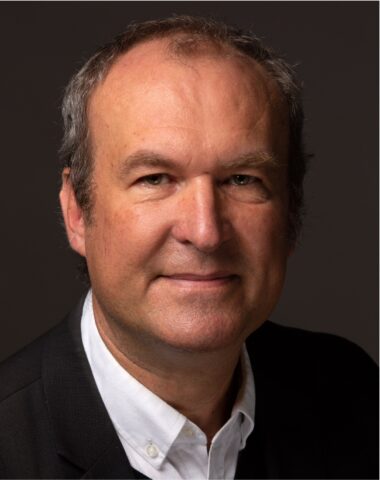
Thierry Gacoin is a materials chemist, Director of Research at CNRS and Professor of Materials Science in the Physics and Chemistry Departments at École Polytechnique. He is also Chairman of the Chemistry Department and Scientific Co-Director of the "Materials for Society" (M4S) interdisciplinary center at Institut Polytechnique de Paris. His research activities at Ecole Polytechnique Condensed Matter Physics Laboratory focus on the synthesis and optical properties of colloidal nanocrystals and nanostructured thin films.
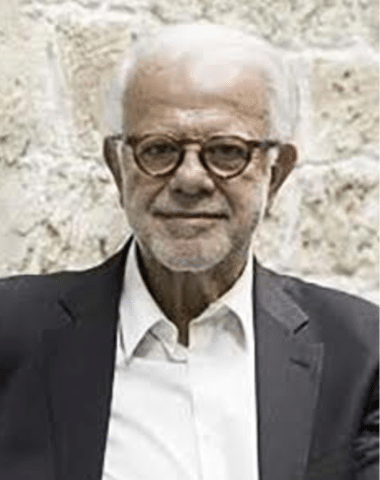
Philippe Lemoine co-chairs GS1 and sits on various boards of directors (La Poste, Trevo), having previously managed Monoprix, BHV, Groupe Galeries Lafayette and LaSer. In the area of forward-looking and societal debates, he chairs the Forum d'action modernités and is on the board of directors of the Collège de France Foundation. In the digital field, he chairs the Fondation Internet Nouvelle Génération. He started his career as a research engineer at Inria, then helped design the French Data Protection Act and the French Data Protection Authority, CNIL, in the late 1970s. He is now a member of its outlook committee.
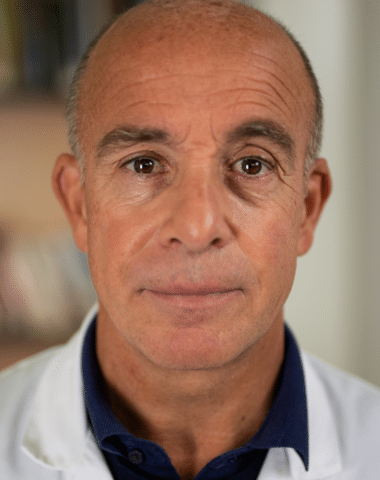
Pierre-Marie Lledo’s research focuses on the adaptation and regeneration of neurons in the brain, and their interactions with the immune system. He is a French National Centre for Scientific Research (CNRS) research director and director of its Genes and Cognition laboratory, and the director of the Perception and Memory unit and of Plasticity and Development of the Nervous System at the Pasteur Institute.
A graduate of École polytechnique and ENSAE, he was a journalist at Le Figaro, where he worked as a senior reporter, correspondent in the Middle East and the United States, and deputy editorial director. He founded the online business media E24.fr and worked as editor-in-chief of Paris Tech Review. Since 2018, he has headed the magazine Pour l'Eco and in 2020 joined the Institut du Capitalisme Responsable as general delegate. Stéphane Marchand is the author of several essays and novels, including French Blues, Le Commerce des illusions, La Guerre du luxe and L'Europe est mal partie.
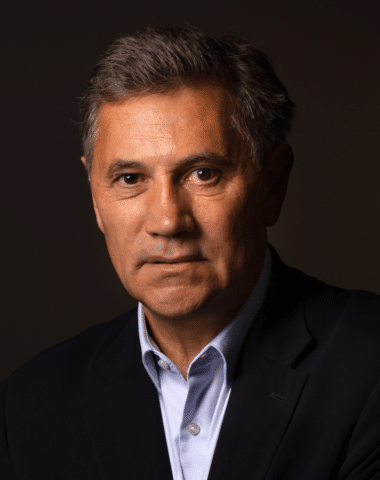
A former intern at the Paris hospitals, a graduate of ESSEC and holder of a doctorate from the Ecole Polytechnique, Etienne Minvielle is also Director of Quality, Risk Management and Patient Relations at the Gustave Roussy Institute. He is director of the Centre de Recherche en Gestion (i3-CRG) at Ecole Polytechnique (IP Paris).
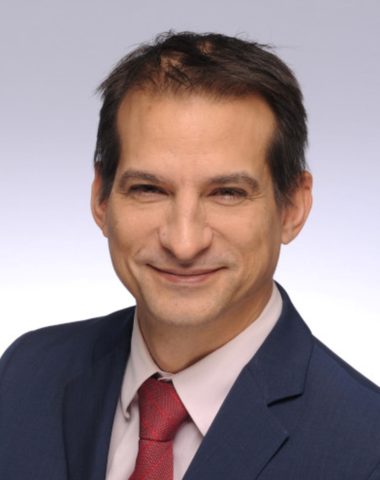
Graduate of Ecole Polytechnique (X92), EHESS-HEC-ENS Ulm Master II in economic analysis and policy, Doctor of Economic Sciences (X), Visiting Fellow Harvard, admitted to a thesis in anthropology of contemporary worlds in 2003 at EHESS with Jonathan Friedman, Michel has been proposing for the past 20 years in the context of innovative entrepreneurship, cutting-edge operational solutions aimed at accelerating the execution of the (inevitably) complex transformations of large organizations, enabled by cognitive technologies.
As a citizen, he is deeply involved in catalyzing the awareness of his contemporaries on the existence of emerging epistemological paradigms that allow leaders to envisage profoundly regenerated ways of facing the great challenges of the 21st century.
A professor of strategy at HEC Paris since 1989, Bernard Ramanantsoa was its CEO from 1995 to 2015. A former Supaéro engineer, he holds a HEC MBA, a PhD in management sciences from the Paris Dauphine University, an advanced DEA degree in sociology from the Paris Diderot University, and a DEA in the history of philosophy from Paris La Sorbonne. He has published a number of notable works, including Technologie et stratégie d’entreprise, Stratégie de l’entreprise et diversification and, most recently, Apprendre et oser and L’Enseignement supérieur français par-delà les frontières : l’urgence d’une stratégie.
Jean Salmona is an École polytechnique, ENSAE and Sciences-Po Paris graduate. As an administrator at INSEE, he has spent most of his career in the public sector. He was ultimately appointed CEO of public company CESIA, privatised in 1998, which became Unilog Consultants. In 1971, he founded the NGO Data for Development, which he chaired until 1996. He founded ParisTech Review in 2009, which became Polytechnique Insights in 2021. He is also a musician and the author of the novels Une Fugue de Bach, Mort sur la Lune and Le Défilé du 14 juillet.
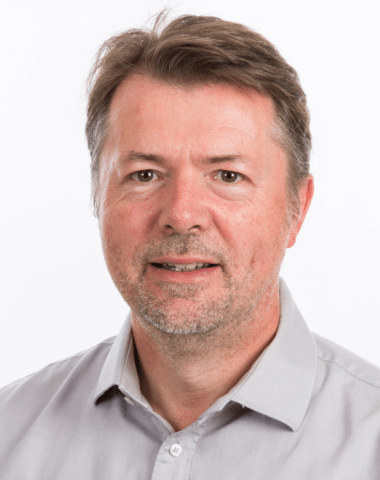
Jean-François Semblat’s research focuses on the propagation of seismic waves in geological layers during major earthquakes. Using numerical simulation methods, he studies their amplification, attenuation, liquefaction, and dynamic soil-structure interaction. He is a member of the scientific council of the French Association for Earthquake Engineering, a professor at ENSTA-Paris, and the head of the Mechanics and Energy department at the Institut polytechnique in Paris.
Ezra Suleiman is the author of several books translated into French, including Les Hauts fonctionnaires et la politique, Les Elites en France, Les Notaires and Schizophrenie française. He has also been a professor at Sciences Po for several years and a guest lecturer and researcher at several European universities, including Bordeaux, Rennes, Grenoble, Lyon, Florence, Turin and Luiss. Ezra Suleiman is a corresponding member of the French Academy of Moral and Political Sciences.
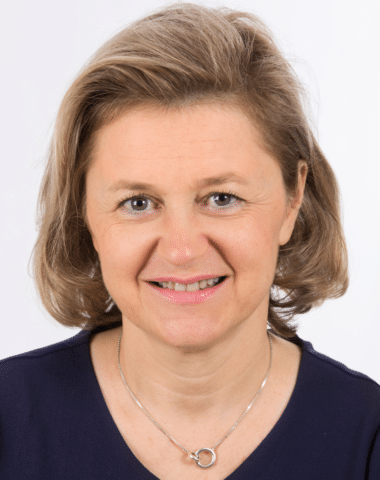
Anne Trotoux-Coppermann was previously communications director at Les Echos since 2004, a group she joined in 1992 as head of external relations, then of the communications department from 1999. She began her career with the Expand group, as deputy communications director. Anne Trotoux-Coppermann holds a post-graduate diploma (DESS) in marketing, a master's degree in business administration and is a certified HEC coach.
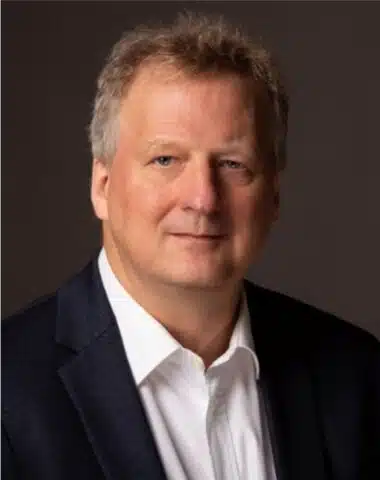
Kees van der Beek holds a Diploma in Experimental Solid State Physics and a PhD in Mathematics and Natural Sciences. In 2019, he will be assigned to the Centre de Nanosciences et de Nanotechnologies in Palaiseau. He also joined the Institut de Physique du CNRS. In January 2021, he was appointed Deputy Scientific Director (ADSR) at CNRS for the Grenoble-Alpes site. He was President of the Condensed Matter Physics Division of the French Physical Society from 2009 to 2013, and President of the Condensed Matter Physics Division of the European Physical Society from 2015 to 2020.
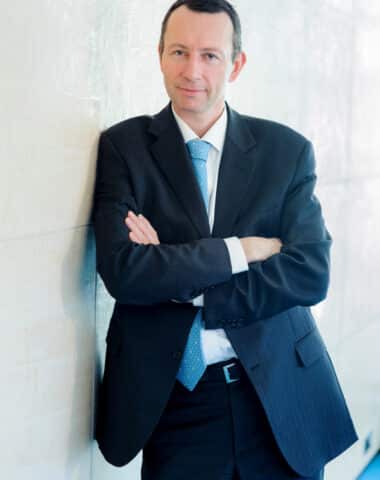
A graduate of École Polytechnique (84), ENSAE and Sciences Po Paris, Nicolas Schimel spent 30 years in executive leadership roles in the insurance sector (AGF/Allianz, Generali, AVIVA, where he served as CEO for France between 2011 and 2016) and in financial advisory services (Chairman of UFF, CEO of the Premium Group). In 2017, he founded Filib to democratize employees’ access to guidance on savings and retirement, a sector in which the company is now a market leader. Nicolas Schimel is a regular contributor to public debate on these topics.
Bruno Angles is a graduate of Ecole Polytechnique (IP Paris) and Ponts et Chaussées engineering school. He began his career in 1988 in the construction sector, before joining the office of Bernard Bosson, Minister of Infrastructure, Transport and Tourism, as a technical advisor. He joined McKinsey in 1996, before becoming head of Vinci Energies in 2004. After a period with Mercer Delta, he became President of Macquarie France (2007-2016) and Credit Suisse in France and Belgium (2016-2021). He joined AG2R LA MONDIALE in 2021 and became Chief Executive Officer (2022-2025). He has been President of Polytechnique Insights since February 2025.
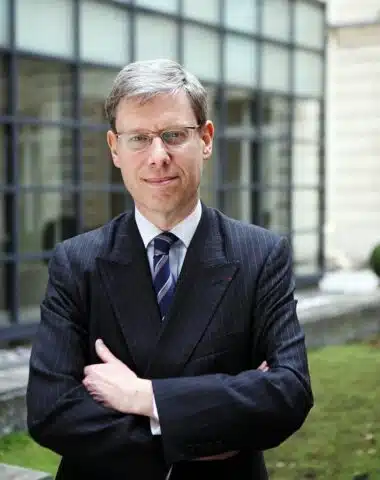
Chief Executive Officer at HSBC Continental Europe
Jean Beunardeau is graduated from Ecole Polytechnique (Paris) and from Ecole Nationale Supérieure des Télécommunications (Paris). He has a degree in Economics (Institut d’Etudes Politiques, Paris). Prior to joining HSBC, he was high ranking civil servant at the French Ministry of Economy and Finance, then technical advisor of French Prime Minister. He joined HSBC in 1997 in the Corporate Finance Department, became Managing Director in 2000 and made various M&A and ECM deals, mainly in the transport, telecom, media and technology sectors. In 2004, he was appointed Co-head of Corporate, Investment Banking and Markets of HSBC France then, in 2007, Head of Global Banking and Markets, HSBC France and Global Co-head of Public Sector. In 2010, he was appointed as Deputy Chief Executive Officer, in addition to his role as Head of Global Banking and Markets France, and Head of Global Banking, Continental Europe.From 2012 to July 2021, he was appointed as Chief Executive Officer HSBC France, which became HSBC Continental Europe in 2020. Since July 2021, he has been appointed as Chairman of the Board of HSBC Continental Europe.
Catherine Lucet is a graduate of Ecole Polytechnique (IP Paris) and École des Mines in Paris, and holds an MBA from INSEAD. She began her career at the Ministry of Foreign Affairs, before joining McKinsey. She then became director of the Harlequin publishing house, before being appointed CEO of Elsevier. She is president of Nathan, Bordas, Retz and CLE International, and former president of Le Robert dictionaries. She is also a member of the Casino Group board of directors and of the supervisory board of Dutch publisher Brill.
A graduate of École polytechnique and ENSAE, he was a journalist at Le Figaro, where he worked as a senior reporter, correspondent in the Middle East and the United States, and deputy editorial director. He founded the online business media E24.fr and worked as editor-in-chief of Paris Tech Review. Since 2018, he has headed the magazine Pour l'Eco and in 2020 joined the Institut du Capitalisme Responsable as general delegate. Stéphane Marchand is the author of several essays and novels, including French Blues, Le Commerce des illusions, La Guerre du luxe and L'Europe est mal partie.
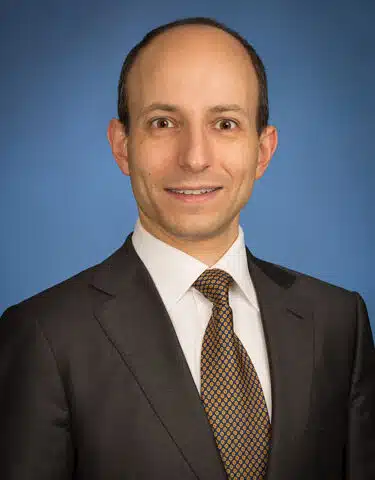
Jérémie Marrache has been with Goldman Sachs since 2003 and is co-head of mergers and acquisitions (M&A) for France, Belgium, and Luxembourg, and head of M&A for South Africa, Israel, the Middle East, Turkey, Greece, and Eastern Europe. He is also in charge of commercial coverage for major French groups, mainly in the agri-food, industrial, and services sectors. Managing Director at the Paris office since 2015, he has also worked in London and Tokyo. Jérémie is a graduate of École Polytechnique, École Nationale des Ponts et Chaussées (Corps), and London Business School.
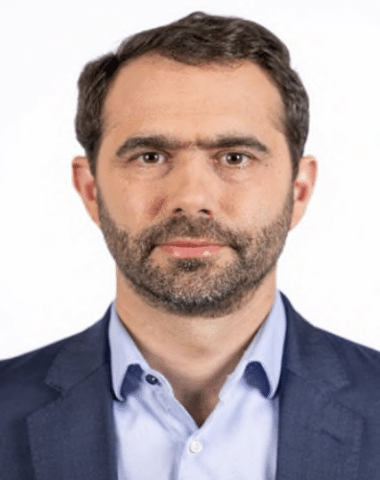
Julien Pouget has been President Middle East & North Africa for TotalEnergies Exploration & Production since 2023. He previously served as Senior Vice President Asia Pacific for Exploration & Production and Renewables. From 2017 to 2021, he was Senior Vice President of the global Renewables division and CEO of TotalEnergies Renewables. During this period, he oversaw the growth of the renewables portfolio from 300 MW to nearly 23 GW in operation, with more than 6 GW under construction and over 40 GW under development worldwide. He also served on the Board of Directors of SunPower. Between 2014 and 2016, he was Senior Advisor to the President of the French Republic, notably overseeing the restructuring of the French nuclear industry. Earlier in his career, he held senior management positions at Alstom and served at the French Ministry of Industry and the Ministry of Finance. Julien Pouget is a Chief Engineer of the Corps des Mines and a graduate of École Polytechnique.
Jean Salmona est diplômé de l’École polytechnique, de l’ENSAE et de Sciences Po Paris. Administrateur à l’INSEE, il a fait l’essentiel de sa carrière dans le secteur public. Il a in fine été PDG de l’entreprise publique CESIA, privatisée en 1998, et qui est devenue Unilog consultants. Il a par ailleurs créé en 1971 l’ONG Data for Development dont il a été président jusqu’en 1996. Il a fondé ParisTech Review en 2009, devenue Polytechnique Insights en 2021. Musicien, Jean Salmona est l’auteur des romans Une Fugue de Bach, Mort sur la Lune et Le Défilé du 14 juillet.
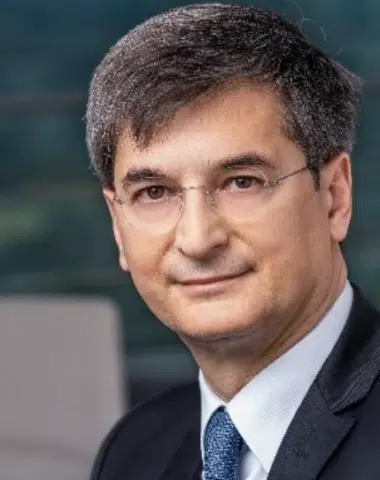
Édouard Sauvage is an executive in the energy sector. He began his career in the public sector, first in regional administration and then at the DATAR, before joining the Prime Minister’s office as a technical advisor in charge of territorial planning and local authorities. He joined EDF-GDF Services in 1997, where he held managerial positions before being appointed Head of Strategy and European Affairs at Gaz de France in 2002, and later Deputy Director of International Operations. He then served as Director of Gas Supply for the Group from 2005 to 2012. As Director of Strategy at ENGIE from 2013 to 2015, he contributed to the Group's strategic shift towards renewable energy and the energy transition. From 2016 to 2021, as CEO of GRDF, he oversaw the deployment of smart meters and accelerated the development of methanation projects, positioning the company to deliver 100% renewable gas by 2050. In 2021, he was appointed Deputy CEO of ENGIE, in charge of global Infrastructure activities (gas transport, distribution, and storage, as well as electricity transmission), and left ENGIE at the end of 2025. He is a graduate of École Polytechnique, École des Ponts et Chaussées, and the Collège des Ingénieurs.
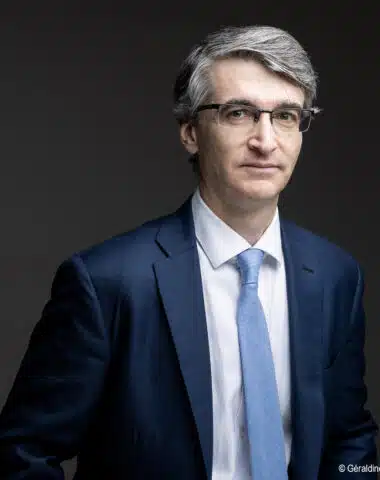
Edouard Vieillefond is an Engineer who graduated from the École Polytechnique and the École Nationale Supérieure de l’Aéronautique et de l’Espace (Sup’Aéro). He also holds a post-Master’s degree (DEA) in Industrial Economics. At the beginning of his career, Edouard Vieillefond held various positions within the French Treasury. From 2006 to 2009, he was Director of Investments overseeing companies in the energy sector within the Agence des Participations de l’Etat (APE). He was successively Deputy Secretary General, Director of Regulation and International Affairs at the AMF. He then joined the Covéa Group in 2014, where he filled several positions until his appointment as Chief Executive Officer of GMF. Since April 2021, he was at the head of its advisory structure, Praesential. Edouard Vieillefond then became Deputy Chief Executive Officer of the CCR Group for nine months before being appointed Chief Executive Officer of CCR by French President Emmanuel Macron, as of 1st July 2023, upon the recommendation of CCR’s Board of Directors (Decree of 16 June 2023).
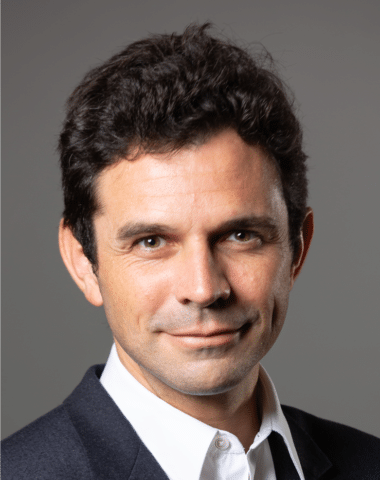
A journalist and media entrepreneur with an MBA from INSEAD, Clément heads the Polytechnique Insights association. He is in charge of sponsorship, events and administration.
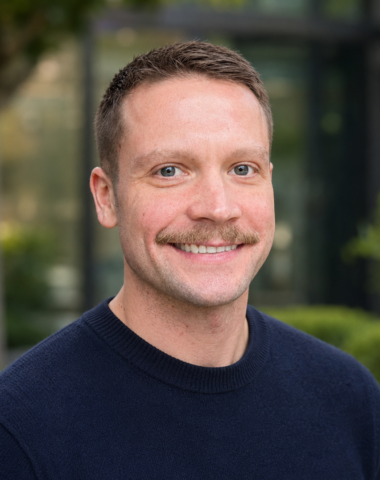
With a PhD in molecular biology from the Muséum National d'Histoire Naturelle in Paris, James became a journalist after completing his Masters in Science Media Production at Imperial College London. He is responsible for editorial production at Polytechnique Insights since its launch in 2020.
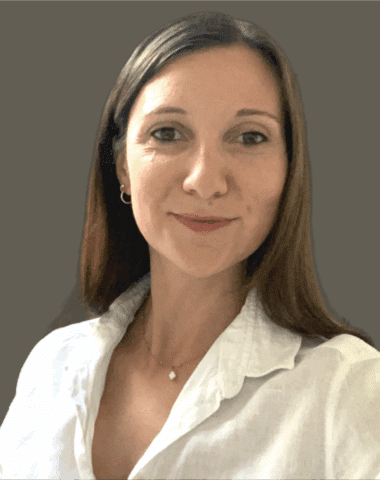
A Paris Nanterre University graduate with a Master's degree in International Business and an MBA in Digital Project Management, Viviane worked for an HR software publisher before joining Polytechnique Insights.


