1_geopolitiqueAgricole
Home / Dossiers / Geopolitics / Geopolitics of agricultural commodities put to the test by global crises
π Geopolitics π Society

Geopolitics of agricultural commodities put to the test by global crises

3 episodes
  • 1
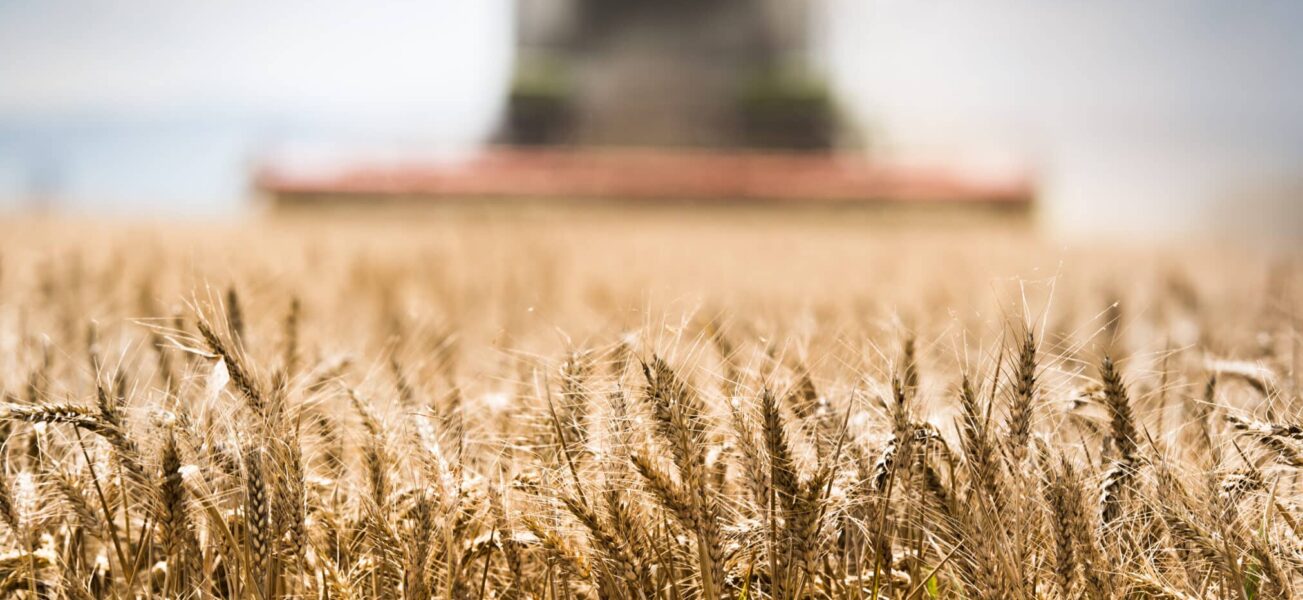
    Wheat: a strategic commodity back on the global stage
  • 2
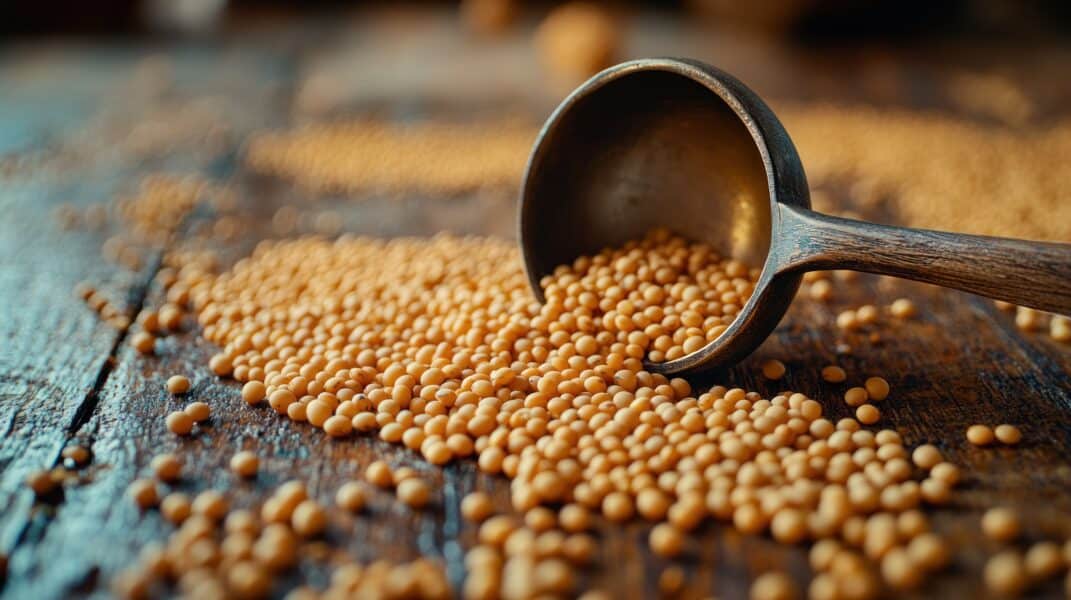
    Soybeans: a discreet and decisive geopolitical weapon
  • 3
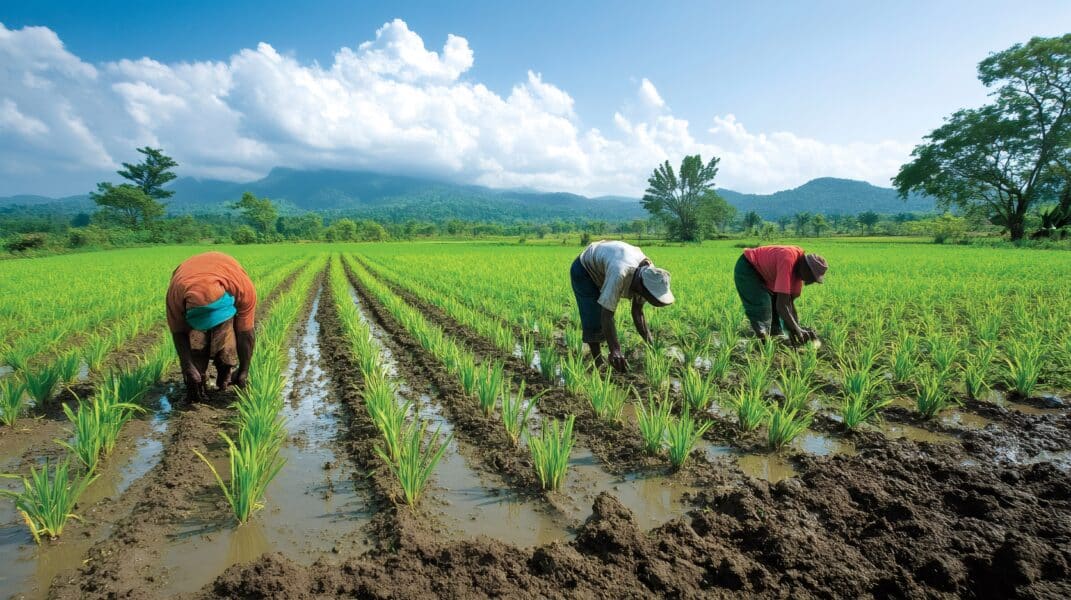
    Rice: a globally essential food staple
Épisode 1/3
On February 17th, 2026
5 min reading time
Jérémy Denieulle_VF
Jérémy Denieulle
Doctor of Geopolitics and Director of Studies at the Agriculture Stratégies Think Tank

Key takeaways

  • Today, wheat is the most exported cereal in the world, with 242 million tons traded globally, compared to 68 million for rice.
  • The COVID-19 pandemic and the war against Ukraine have caused wheat prices to skyrocket, affecting food security in sub-Saharan Africa and North Africa.
  • Wheat represents 69% of cereals for human consumption in Morocco and 96% in Tunisia.
  • North Africa and the Middle East are the regions most dependent on imported wheat in the world.
  • In 2025, ten countries accounted for 80% of global wheat exports, including Russia, Australia, the United States, Canada, Ukraine, and France.
Épisode 2/3
On February 24th, 2026
3 min reading time
Olivier Antoine_VF
Olivier Antoine
Doctor of Geopolitics and Director of ORAE Geopolitics

Key takeaways

  • Between the years 2000 and 2025, annual soybean harvests doubled, rising from 175 to 420 million tons.
  • In the early 2000s, domestic demand for meat exploded in China, which had become an industrial powerhouse: it imported soybeans to feed its livestock.
  • The main soybean producers today are the US, Brazil, and Argentina, which supply about three-quarters of global production.
  • China’s leading soybean supplier is the United States, which is also its main geopolitical and geoeconomic adversary.
  • Today, the largest soybean storage and processing facility in South America, located in Brazil, is owned by a Chinese corporation.
Épisode 3/3
On March 11th, 2026
3 min reading time
Thierry Pouch_VF
Thierry Pouch
Doctor of Economics and Chief Economist at Chambers of Agriculture France

Key takeaways

  • In 2021, rice production reached 500 million tonnes, and the estimated figure for 2026 is around 542 million tonnes.
  • Asia and Africa are the two largest importing regions in the world, accounting for nearly 80% of global flows, while the EU represents only a marginal share of global imports.
  • International trade in rice is not as high as for wheat, as the cereal is mainly consumed within the producing country.
  • India is the world leader, with 14.4 million tonnes shipped in 2024, representing a quarter of total global exports.
  • The International Grains Council's 2026 projections indicate that Indian exports could return to their previous level, with 22 to 23 million tonnes.