


Because of its systemic nature, antibiotic resistance forces us to rethink the categories used to classify living organisms. This awareness extends beyond scientific circles, shaking up communication and imposing new forms of governance.
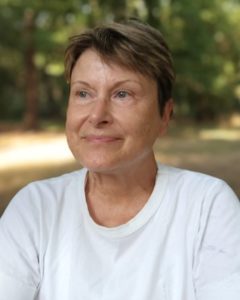
For Jocelyne Arquembourg, antibiotic resistance is a paradox. “I work on the way in which health problems become public and are put out in the media,” explains the associate researcher at Télécom Paris. And when she was asked by microbiologists to look into antibiotic resistance, she discovered a new pattern. “Antibiotic resistance has difficulty gaining public acceptance despite the importance of the issue from a medical point of view.” The communication specialist is therefore trying to understand how this came about.
“In Northern Europe, patients confronted with antibiotic resistance have organised themselves to speak out against the consumption of growth hormone in livestock,” describes Jocelyne Arquembourg. But in France, there has been no public mobilisation and the subject remains largely unknown to the population.
“Antibiotics are not automatic” was the slogan of the 2002 campaign in France, that has nevertheless been retained. “It is easy to remember. But then? Nobody knows why antibiotics are not automatic,” she says. It was more a campaign to support the prescriber’s decision than a campaign to raise awareness of the subject. Its objective? To justify to the patient a refusal to prescribe antibiotics.
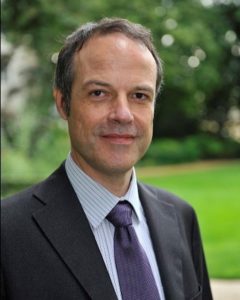
The success of this campaign was immediate, with a 10% reduction in antibiotic prescriptions in the first six months, and its effect remains visible over several years1. But in 2009, consumption is on the rise again. Compared to other European countries, France remains very poorly positioned. It is 26th out of 29 according to data from Santé publique France, particularly in terms of consumption in human health. Jean-Luc Angot, veterinary public health inspector, former president of the French veterinary academy and former deputy director general of the World Organisation for Animal Health, laments, “even covid has led to an increase in antibiotic consumption because of the risk of superinfection.”
In veterinary medicine, however, progress has been made. “Ecoantibio plans have reduced antibiotic consumption by 45% in nine years,” says Jocelyne Arquembourg. “These good results are the result of the Ecoantibio 1 plan, which was associated with regulatory changes [the ban on growth promoters in the form of antibiotics in Europe in 2006, editor’s note2]. Plans 2 and 3 invested more in raising the awareness of stakeholders,” adds Jean-Luc Angot. His colleague, Karine Boquet, Chief Veterinary Public Health Inspector and Deputy Director of Environmental Health, Chemicals and Agriculture, testifies: “Veterinarians, through the nature of the crises they have had to manage, such as bovine spongiform encephalopathy, have developed a professional culture in risk management that includes the links between human health and animal health, and the environment.”
The One Health movement
These links are summarised today by the concept of One Health. “The idea is to emphasise the interaction between animals, including humans, and nature,” says Jean-Luc Angot. It emerged at the end of the 1970s in the wake of worrying zoonoses such as bovine spongiform encephalopathy. In the late 1990s, more and more antibiotic-resistant bacteria were discovered in pig farms, but also in human patients. The use of avoparcin as a growth promoter was responsible. “In Sweden, Denmark and the United Kingdom, the press echoed a very virulent debate, which led to a ban on the use of avoparcin for growth promotion in Europe,” recalls Jean-Luc Angot.
Karine Boquet adds, “the One Health concept is established under the aegis of four international bodies: the FAO, the OIE, the WHO and the UN Environment Programme. This integrated approach aims to optimise the three dimensions of health: human, animal, and ecosystem. The interdependence of the three systems must be recognised to take these links into account in risk management.”
“75% of emerging infectious diseases are zoonoses and the US Center for Disease Control and Prevention (CDC) estimates that 60% of all infectious diseases are animal-related,” insists Jean-Luc Angot. And these transitions from species to species can encourage the appearance of resistance.
One Health also articulates these links. “This implies thinking on several scales: global, regional, national, and local. The responses can vary according to the territory,” says Jean-Luc Angot. For example, local actions often target livestock, but their organisation varies from one territory to another. The approaches cannot be identical in Corsica and Normandy.
But although the concept is now well known in academic, political, and regulatory circles, it is still struggling to be translated into practice. “One Health means that we have to stop working in silos, but it is very difficult to break down the barriers between disciplines,” Jean-Luc Angot acknowledged.
Integrating governance
Karine Boquet explains her approach within the Ministry of Ecology, “it is a question of integrating this dimension into an interministerial approach, between the departments in charge of health, agriculture and ecology, but not only. One Health is a way of conceiving policy with the ambition of making the environment more favourable to overall health. The National Environmental Health Plan (PNSE) thus involves around ten ministries.”
And progress is being made. Karine Boquet refers to the latest opinion of the Anses (National Agency for Food, Environmental and Occupational Health Safety)3, which shows how biocidal products promote antibiotic resistance, sometimes indirectly. The Ministry of Ecology thus supports the manufacturers of biocides to encourage the development of less harmful products.
“The public authorities thus use several levers: regulations, incentive policies and the development of a favourable interministerial ecosystem,” says Karine Boquet. But here again, this theory is being challenged in practice. For example, the Ministry of Agriculture is not involved in the fourth part of the PNSE, which was launched in May 2021.
One Health governance remains a challenge for public action. Karine Boquet agrees, “it is an important element of the PNSE IV. It is made up of an interministerial group, a Health and Environment Group bringing together different stakeholders, and various monitoring of the implementation of the One Health approach by a committee chaired by Jean-Luc Angot.” The latter adds, “beyond the display of a great principle, the challenge is to guide actions.” For her part, Jocelyne Arquembourg worries that the concept acts more “like an umbrella, sheltering an increasingly large number of institutions and scientific disciplines, without any real reflection or effective linkages”4. In short, the paradigm shift has yet to take place.