Nobel Pride: when universities claim borrowed glory



- One-third of laureates win the Nobel Prize at an institution other than the one where their discovery was made.
- The ‘Nobel Pride’ effect consists of sometimes excessively claiming this connection with a prize winner, which can overshadow the initial structure in which the research was developed.
- Of the 31,000 universities in the world, less than 0.6% have been the site of a Nobel Prize-winning discovery.
- Clarifying this effect could help identify the conditions conducive to scientific advances.
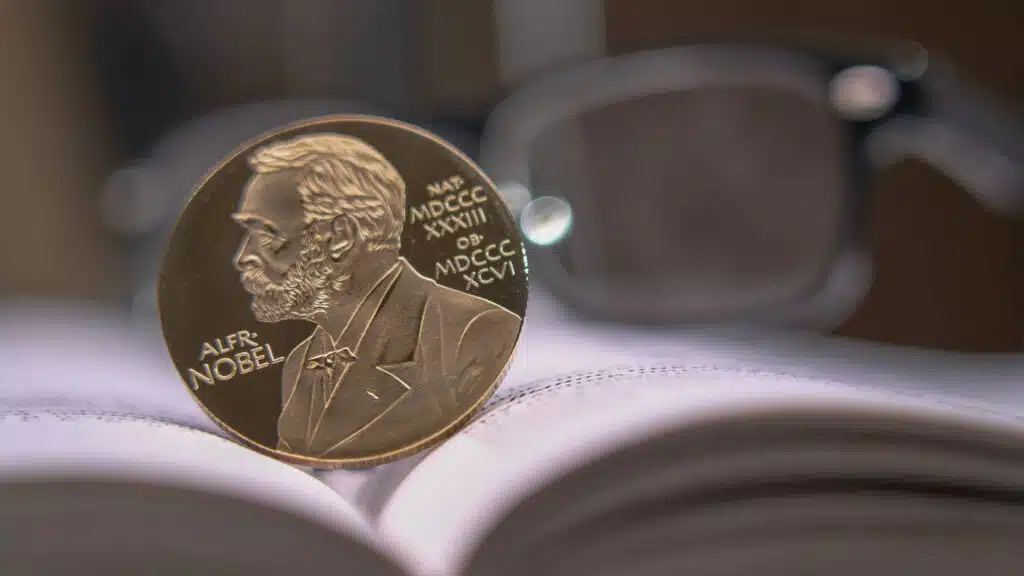
Every October, as Nobel Prize announcements captivate global attention, a familiar ritual unfolds across universities and nations worldwide. Press releases flood newsrooms, each institution eager to claim association with the newly minted laureates. “Nobel Laureate affiliated with our university,” they proclaim, often stretching tenuous connections into badges of institutional excellence. This phenomenon—dubbed “Nobel Pride”—reveals a complex web of scientific credit that obscures a fundamental question: where do breakthrough discoveries actually happen?
The stakes of this academic positioning are enormous. In an era where university rankings determine international reputation, research funding, and the ability to attract top talent, Nobel affiliations have become currency in the global academic marketplace. Yet the traditional metrics used to assign scientific credit often mislead, creating a distorted picture of where transformative research truly originates and thrives.A comprehensive analysis of 124 years of Nobel Prize data reveals surprising truths about the geography of scientific excellence, the mobility of genius, and the institutional ecosystems that foster breakthrough discoveries. The findings challenge conventional wisdom about scientific prestige and offer crucial insights for universities, governments, and researchers navigating an increasingly competitive global landscape.
Geography of genius: an elite club
The first revelation from examining every Nobel Prize in physics, chemistry, and medicine from 1901 to 2024 is just how concentrated scientific excellence really is. Of an estimated 31,000 universities operating globally, fewer than 0.6% have ever been home to a Nobel-winning discovery. This extraordinary concentration means that just 150 institutions worldwide have been the birthplace of Nobel-calibre research, while only 160 have employed a laureate at the time of their award.
The dominance extends to national levels, where geographic clustering creates clear winners and losers in the scientific prestige game. Five countries—the United States, United Kingdom, Germany, France, and Switzerland—account for more than 80% of all Nobel discoveries. This concentration has persisted across more than a century of scientific progress, suggesting that certain national ecosystems possess enduring advantages in fostering transformative research.
New York and Massachusetts together account for 35.9% of U.S. discoveries, while California contributes 20.7%.
Within the United States, the concentration narrows further still. Three states—New York, Massachusetts, and California—capture 57% of all American Nobel discoveries. New York and Massachusetts together account for 35.9% of U.S. discoveries, while California contributes 20.7%. This geographic clustering reflects the power of established research corridors: the Boston-Cambridge biotechnology hub, the research triangle of New York’s metropolitan area, and California’s Silicon Valley innovation ecosystem.
Perhaps most striking is Switzerland’s outsized performance relative to its population. With just 8.7 million residents, Switzerland punches far above its weight in Nobel discoveries per capita, suggesting that small nations with the right institutional frameworks and research investments can compete effectively with much larger countries. This Swiss success story offers hope for smaller nations seeking to build world-class research capabilities.
Conversely, traditional European powerhouses show signs of decline. Germany, France, the Netherlands, and Austria—once dominant forces in scientific research—have seen their competitive advantage erode over time. This shift reflects broader changes in global research investment patterns, with the United States increasingly capturing scientific talent that might previously have remained in European institutions.
Discovery-award gap: where credit goes wrong
The most significant finding challenges how institutions claim Nobel prestige. Traditional metrics focus on where laureates work when they receive their awards, not where they made their breakthrough discoveries. This creates a fundamental misattribution of scientific credit, as researchers often move between institutions during the years or decades between discovery and recognition.
The data reveals stark asymmetries in institutional “Nobel accounting.” Some universities excel at fostering breakthrough research but struggle to retain talent until award time. The University of Cambridge exemplifies this pattern, hosting 27 laureates at the time of their discoveries but only 17 when they received their awards. This suggests Cambridge creates an environment conducive to breakthrough thinking but may lack the resources or incentives to retain its most successful researchers.
The opposite pattern appears at Germany’s Max Planck Gesellschaft, which employed 29 laureates at award time but was home to only 17 at the moment of discovery. This reflects a sophisticated strategy of recruiting established scientists who have already made their mark, essentially « buying » Nobel prestige rather than cultivating it organically.
Most remarkably, 72 institutions—representing 31% of all Nobel-affiliated universities—have never been the site of a Nobel-winning discovery despite employing laureates at award time. These institutions have built their Nobel credentials entirely through strategic recruitment rather than fostering original breakthrough research.
This discovery-award gap has profound implications for how we understand scientific excellence. Universities that market themselves based on Nobel laureate faculty may be showcasing their recruitment capabilities rather than their research environments. For prospective students and researchers seeking institutions where they might make their own breakthroughs, the traditional Nobel metrics may be misleading guides.
Mobile elite: scientific migration patterns
Nobel laureates represent one of the most internationally mobile professional groups ever studied. Nearly 30% of Nobel discoveries are “foreign-born”—made by researchers working outside their countries of birth. This statistic underscores the critical importance of international talent mobility in driving scientific progress.
The migration patterns reveal distinct geographic preferences and barriers. European-born scientists show the highest mobility rates, with one in five eventually moving to North America before making their Nobel-worthy discoveries. This transatlantic brain drain reflects both the attractive research conditions in American universities and the challenges facing European research institutions in retaining top talent.
North American scientists display markedly different mobility patterns, with only 3.5% venturing abroad before their breakthrough discoveries. This low mobility rate may reflect the depth and quality of North American research institutions, which provide sufficient opportunities for advancement without requiring international moves. Alternatively, it might suggest insularity that could limit exposure to diverse research approaches and international collaboration.
One strategy is to recruit renowned scientists who have already proven themselves, essentially buying Nobel Pride rather than cultivating it organically.
Interestingly, while scientists frequently move between countries before making discoveries, they tend to remain in their discovery countries until receiving awards. The “foreign-discovery rate”—measuring cases where laureates work in different countries at discovery versus award time—remains stable at just 10.6%. This suggests that countries successful in attracting breakthrough researchers also possess the institutional capabilities to retain them through their most productive years.
However, institutional mobility within countries tells a different story. Over 43% of laureates changed institutions between making their discoveries and receiving their awards, and this figure likely underestimates the true mobility rate since researchers may have made multiple moves during the intervening years. This pattern suggests that while countries may retain scientific talent, specific institutions face ongoing challenges in keeping their most successful researchers.
Lessons for scientific excellence
The Nobel Pride phenomenon reveals fundamental tensions in how we measure and reward scientific excellence. Current systems that emphasise laureate affiliations at award time create perverse incentives, encouraging institutions to prioritize recruitment over research environment development. A more accurate accounting of scientific credit would recognise the institutions where breakthroughs actually occur, not just where successful researchers happen to work years later. This shift would incentivise universities to focus on creating conditions for discovery rather than simply attracting established talent.
For policymakers and university administrators, the implications are clear: building world-class research capabilities requires patient, sustained investment in research infrastructure, international recruitment, and institutional environments that encourage risk-taking and collaboration. The glamour of Nobel associations may generate headlines, but the harder work of fostering breakthrough research environments generates the discoveries that truly advance human knowledge.