Of the 3.5 million tonnes of silicon manufactured worldwide, Europe as much as 17%, while China produces as much as 75%.
It takes about 6 tonnes of scarce natural resources to produce one tonne of photovoltaic silicon or “polysilicon”.
This chain generates a lot of CO2 – for a standard 60-cell module manufactured in China, 77 kg of CO2is emitted compared to 13 kg in France.
The technologies developed today make it possible to recycle solar panels in their entirety with the exception of the polymers.
The wave of panels at the end of their life combined with recycling should make it possible to build a new virtuous and almost autonomous value chain in Europe.
Associate Professor at Université du Québec and Associate Researcher at Ecole des Ponts ParisTech (IP Paris)
Key takeaways
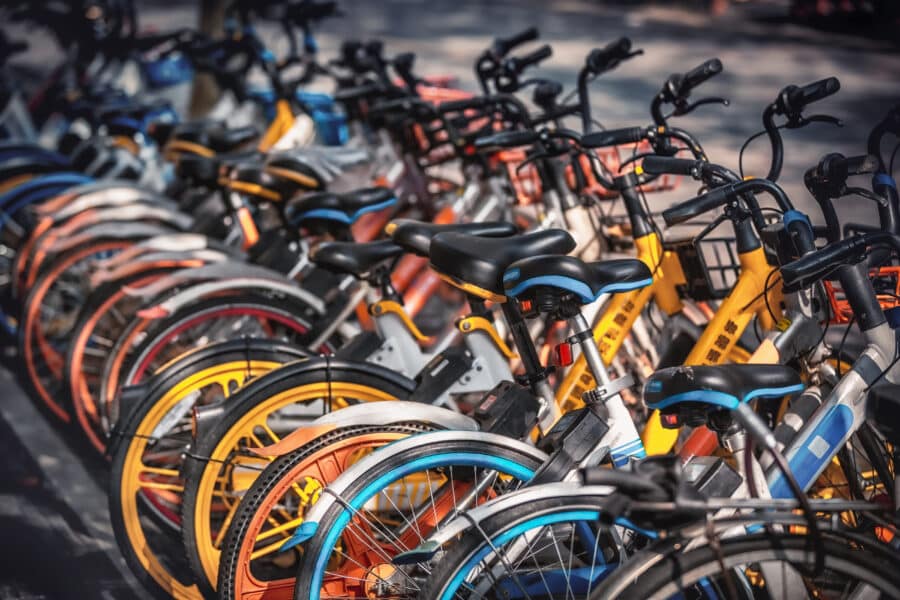
The market for electrically assisted bicycles (EABs) is growing rapidly, and by 2030 almost 55% of bicycles sold in Europe will be electric.
The carbon footprint of this mode of transport is smaller: an average of 13g CO2e/km travelled, compared with 60 to 75g CO2e/km travelled by an electric city car.
Most (94%) of the GHG emissions from an electric bicycle come from its manufacture, in particular the manufacture of the aluminium frame.
The most energy efficient EAB is obtained by “retrofitting”, i.e. transforming a second-hand standard bike.
To reduce its carbon footprint even further, there are several solutions to consider (alternatives to aluminium, different types of batteries, etc.).
Research Associate at the Center for Management Research (I³-CRG) at Ecole Polytechnique (IP Paris)
Benjamin Lehiany
Research Associate at Centre de Recherche en Gestion (I³-CRG) and Lecturer at Ecole Polytechnique (IP Paris)
Key takeaways
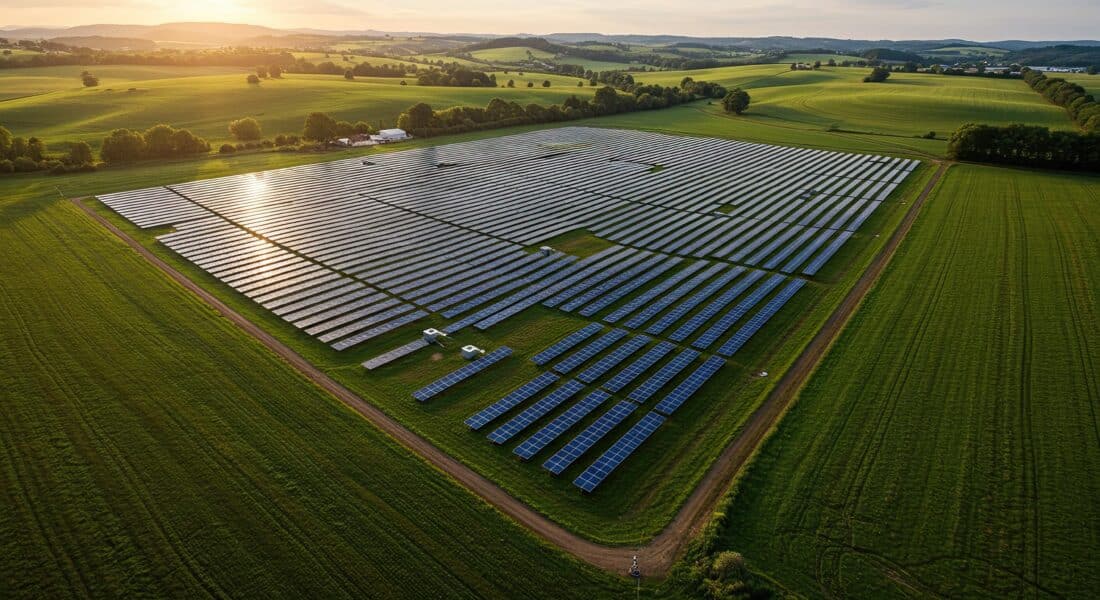
In Europe, installed photovoltaic capacity exceeded 260 GW in 2023, with annual growth above 25%.
Between 2010 and 2023, the levelised cost of electricity (LCOE) for ground-mounted photovoltaic plants fell by 90% globally, dropping from $460/MWh to less than $45/MWh.
Approximately 70% of a solar farm's carbon footprint comes from the manufacturing of photovoltaic panels.
Eco-design levers for solar plants can reduce environmental impacts by 1% to 13%, for an additional cost below 0.1% of LCOE.
Three major eco-design levers are identified: priority levers, conditional levers, and support levers.
Subscribe to our weekly newsletterSubscribe to our weekly newsletter