- Planet
- Energy
- Health and biotech
- Digital
- Space
- Economics
- Industry
- Science and technology
- Society
- Geopolitics
- Neuroscience
- Videos
- Magazine

 Subscribe to our weekly newsletter
Subscribe to our weekly newsletter
Subscribe to our weekly newsletter
With Patrice Georget, Lecturer in Psychosociology at the University School of Management IAE Caen, Nouzha Boumansour, Psychosociologist and Lecturer at the Institute of Business Administration (IAE) Caen
With Ioan Roxin, Professor Emeritus at Marie et Louis Pasteur University
Delphine Oudiette, Inserm Research Director and Co-Director of DreamTeam at Institut du Cerveau in Paris, Claudia Picard-Deland, Postdoctoral Researcher in the Department of Psychiatry and Addictology at Université de Montréal
William Wisden, Professor at Imperial College London, Member of the Academy of Medical Sciences and the Royal Societ...
Armelle Rancillac, Researcher in Neuroscience at Inserm and Collège de France
Jean-Philippe Empana, Physician and Inserm Research Director at Paris Cardiovascular Research Center (PARCC)
With Marie Claire Villeval , Emeritus CNRS Research Director and Director of the GATE-Lab at Université de Lyon
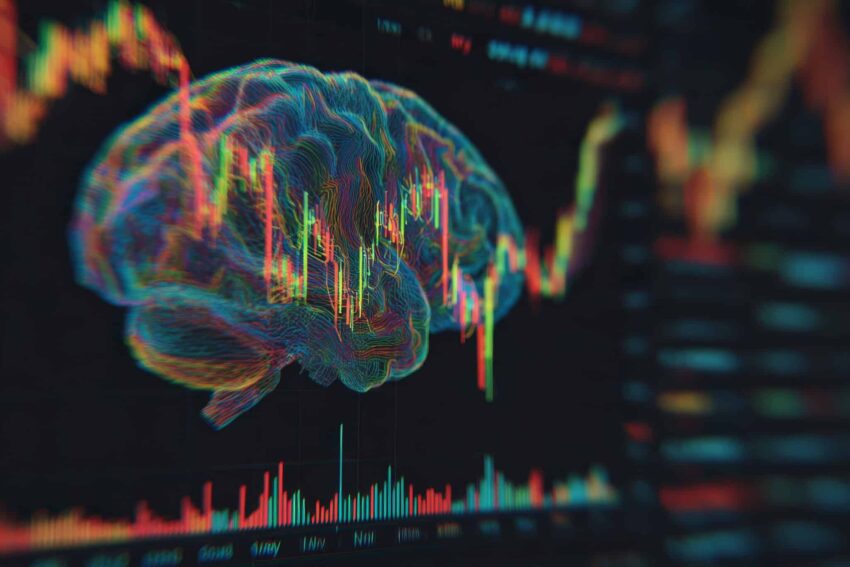
Experimental studies show that a loss is psychologically felt about twice as intensely as an equivalent gain.
 Neuroscience
Science and technology
Neuroscience
Science and technology
With Hervé Chneiweiss, Emeritus CNRS Research Director at Sorbonne University Neuroscience Centre , Clément Hébert, Research Fellow at the Grenoble Institute of Neuroscience
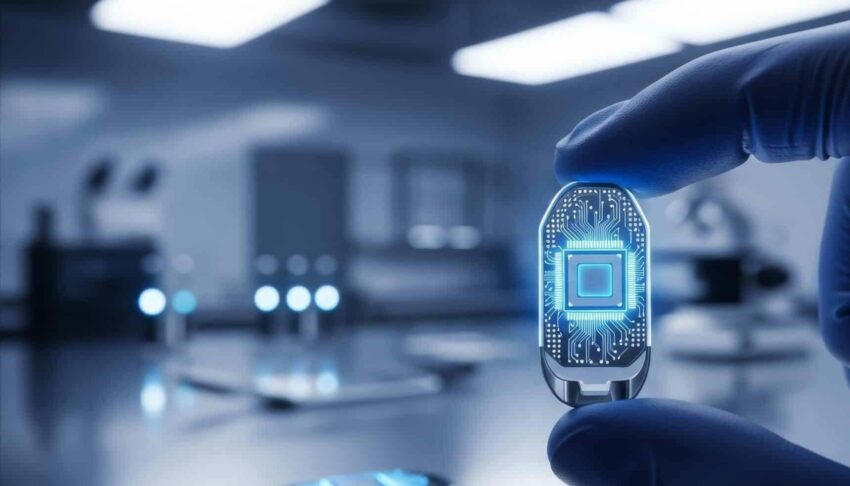
Since the 2000s, the use of microelectronics has made it possible to create increasingly smaller implants.
 Neuroscience
With Laure Tabouy, Doctor of Neuroscience and PhD student in Neuroethics at Université d'Aix-Marseille
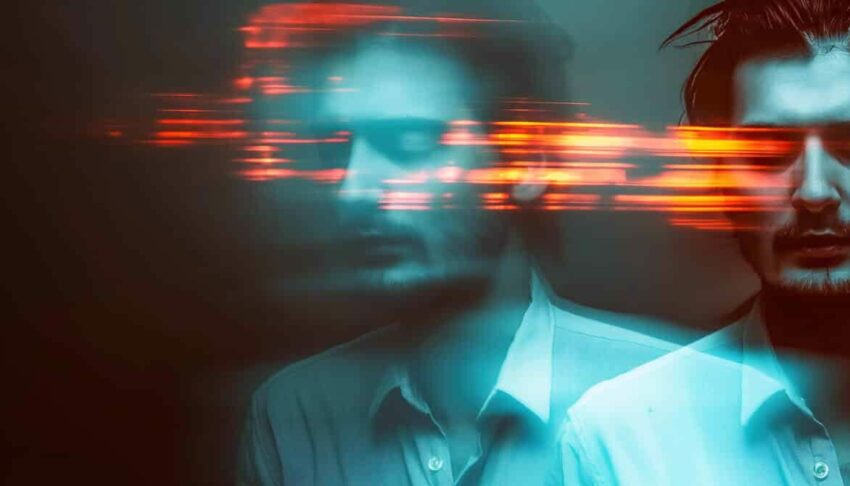
Recent technological advances have raised hopes that physical markers of consciousness can be identified.
 Neuroscience
Society
Neuroscience
Society
With Pierre-Marie Lledo, Research Director at CNRS, Head of Department at Institut Pasteur, and member of the European Academy of Sciences
Mental states can fluctuate between two opposing modes of thinking: System 1 (intuitive) and System 2 (thoughtful).
 Society
Neuroscience
Society
Neuroscience
With Giuseppe Gangarossa, Professor of Neurobiology at Université Paris Cité
Lipids may influence our reward system.
 Neuroscience
Health and biotech
Neuroscience
Health and biotech
With Claude Gronfier, Researcher in Chronobiology at Inserm's Centre de Recherche en Neurosciences de Lyon
A study of RATP employees shows that tram and bus drivers (outdoors) have fewer sleep disorders than metro drivers (indoors).