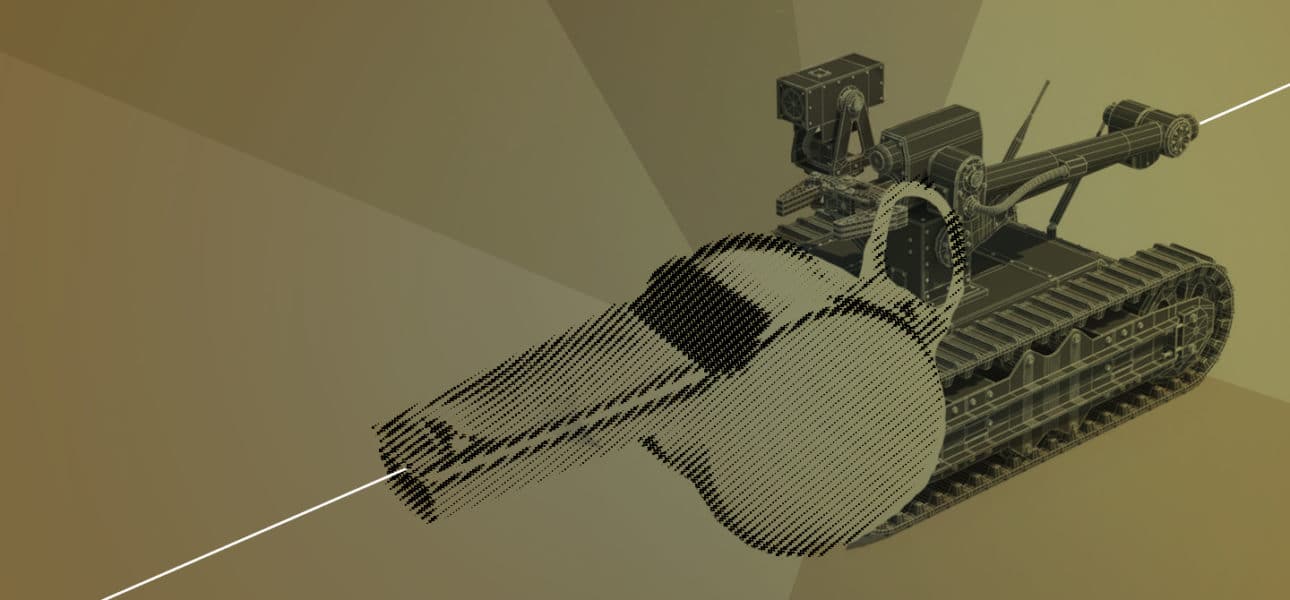
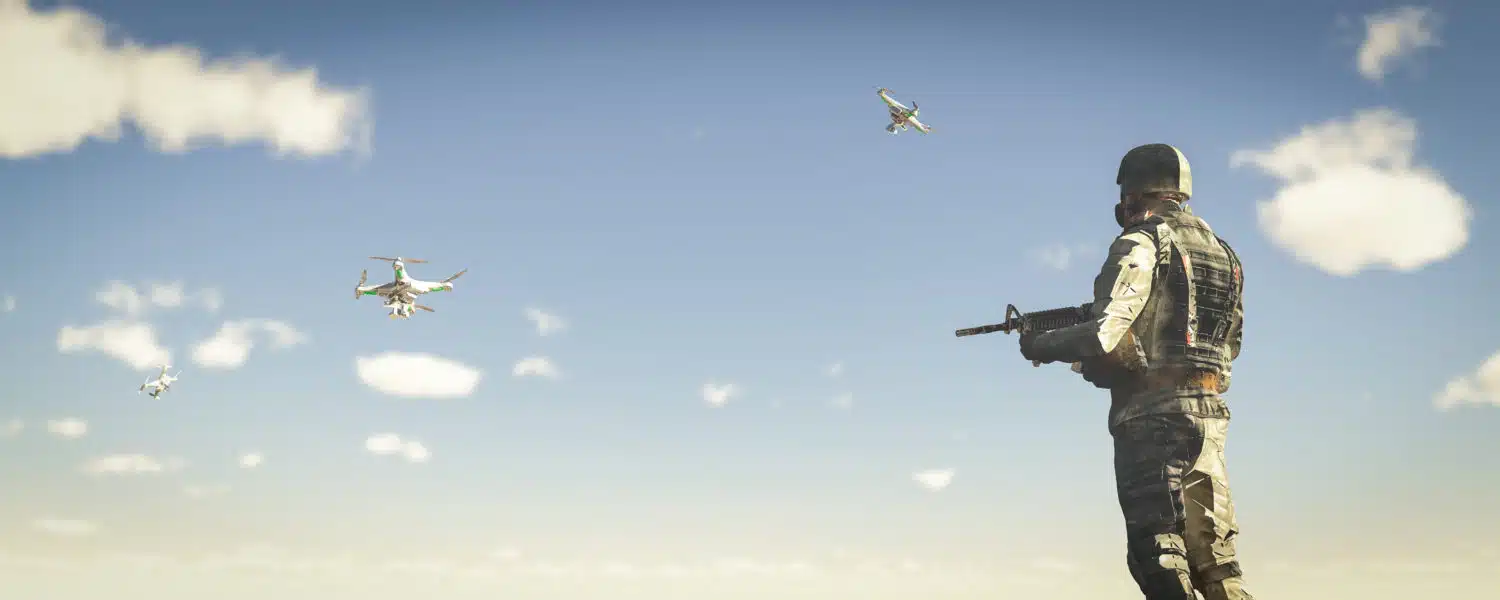
Some experts consider autonomous weapons to be the third revolution in warfare technology, after gunpowder and the nuclear bomb.
The automation of weapon systems began decades ago. Advances in mobility and the interpretation of environmental information now give them a high degree of autonomy.
Development of drones is still ahead of “infantry” robots, which face considerable technical challenges.
In their armed version, these systems are mainly used on physical targets. Their use for lethal means is driving ethical debates, but the arms race has already begun.
Assistant professor in the Department of Aerospace Engineering and research associate in the Rock Ethics Institute
Key takeaways
In theory, robotic soldiers don’t get emotional, or revengeful, or angry. But the possibility of an accident raises issues of responsibility and liability, which are of great importance in military matters.
Increased autonomy thanks to AI, as well as maximised lethality, raises a philosophical problem: is the prospect of human soldiers facing bloodless, incredibly efficient machines acceptable?
But future autonomous systems might be perfect at targeting, so such a “precise” war would be less bloody.
Advances in precision warfare might also drive a new kind of dissuasion.
PhD student at the Centre for Management Research (I³-CRG*) at Ecole Polytechnique (IP Paris)
Key takeaways
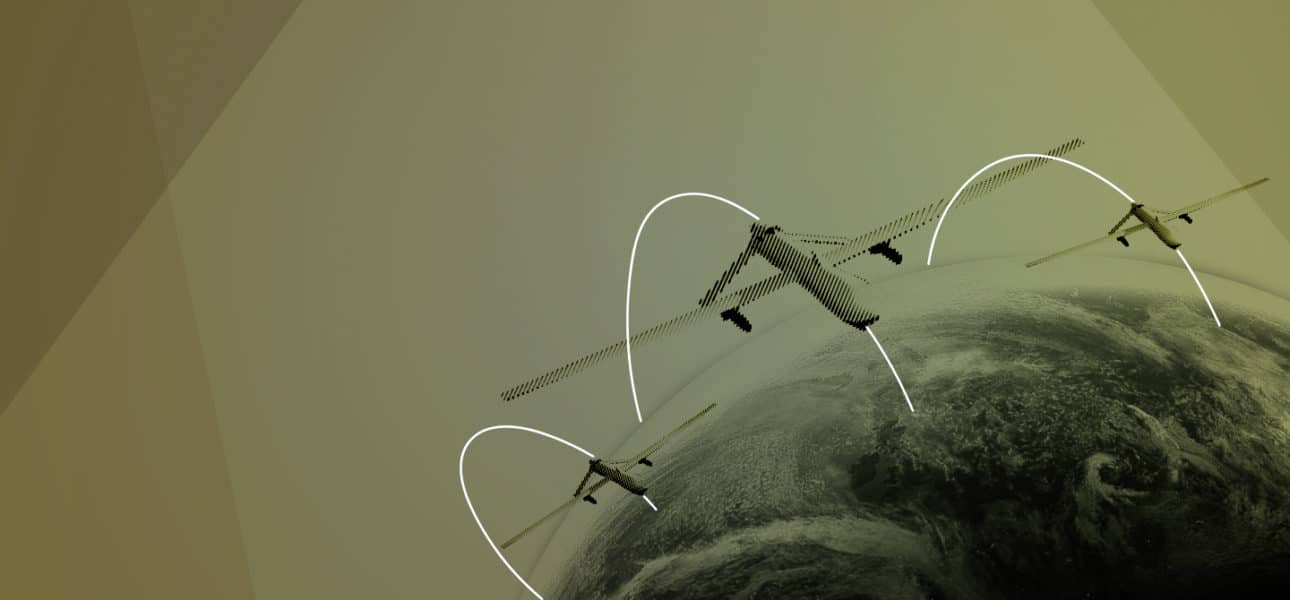
The drone market is growing rapidly in large part due to the high demand for drones in military applications.
Although it has long been dominated by the United States and Israel, new players are entering the market such as Turkey and Iran.
It is estimated that more than 80 countries now have military drones: armed or surveillance.
The market is currently driven by civilian drones, which are mass-market, low-cost and can easily be adapted for military use.
The rapid development of drones is giving rise to new challenges: autonomy, connectivity, and cybersecurity.
Contributors
Richard Robert
Journalist and Author
Richard Robert is editorial director of Telos and conducts forward-looking research as part of the Observatoire du long terme (Long-Term Observatory) and the Institut de prospective CentraleSupélec Alumni (CentraleSupélec Alumni Institute for Forward-Looking Studies). From 2012 to 2018, he was editor-in-chief of the Paris Innovation Review. His latest books include: Le Social et le Politique (The Social and the Political), with Guy Groux and Martial Foucault, CNRS Éditions, 2020; La Valse européenne (The European Waltz), with Elie Cohen, Fayard, 2021; Une brève histoire du droit d’auteur (A Brief History of Copyright), with Jean-Baptiste Rendu, Flammarion, 2024; Les Nouvelles Dimensions du partage de la valeur (The New Dimensions of Value Sharing), with Erell Thevenon-Poullennec, PUF, 2024; Les Imaginaires sociaux des smart cities (The Social Imaginaries of Smart Cities), Presses des Mines, 2025. Forthcoming: Sauver la démocratie sociale (Saving Social Democracy), with Gilbert Cette and Guy Groux, Calmann-Lévy, coll. ‘Liberté de l'esprit’ (Freedom of Thought), 2026.