Turquoise hydrogen takes a step towards the next level



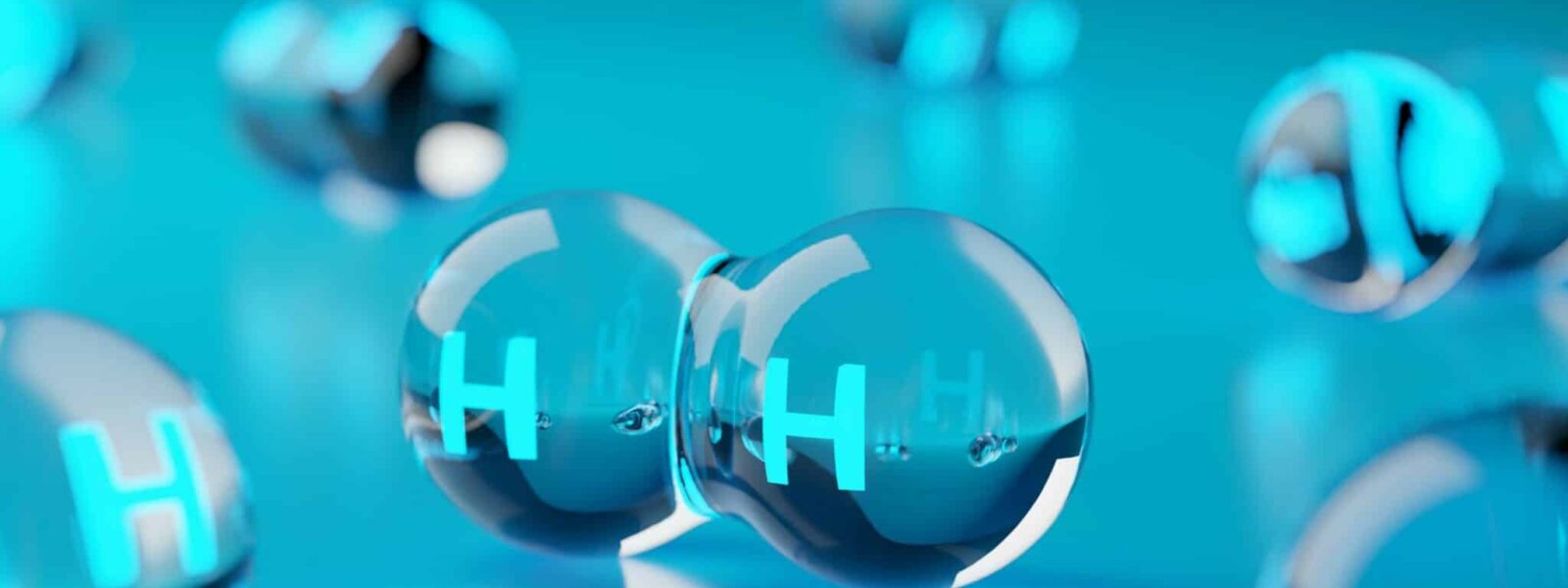
- “Turquoise” hydrogen is formed from methane that is fed into a reactor, which heats it to a high temperature (~2,000°C) in the absence of oxygen.
- In this process, the methane breaks down into hydrogen (H2) and solid carbon black (C), while avoiding the production of CO2 in return.
- “Grey” hydrogen – which accounts for 95% of hydrogen produced today – emits 9.89 kg CO2e/kg. This is almost 10 times more than “turquoise” hydrogen!
- Today, the production of “turquoise” hydrogen is close to the emission level of “green” hydrogen (0.03 to 0.37 kg CO2e/kg), but it is 3 times less energy-intensive, a figure that could theoretically rise to 7 with improved processes.
- If the reactor is fuelled entirely with biogas from household waste, the carbon intensity drops to -5.22 kg CO2e/kg! In a scenario where fossil gas and biogas are mixed, only 10% biogas is sufficient for zero carbon intensity.
Green, grey, blue, pink… There are more and more colours for hydrogen, each describing the way it is produced. And, a little-known formation process is making its way into the list, particularly in the United States: “turquoise” hydrogen. Like reforming (the so-called SMR process, which produces “grey” hydrogen), “turquoise” hydrogen is formed from methane. But here the methane is fed into a reactor which heats it to high temperatures (1,000 to 2,000°C) in the absence of oxygen – this is known as pyrolysis. The gas (CH4) is then broken down into hydrogen (H2) and solid carbon black (C). The process has the advantage of not creating any CO2 molecules – a potent greenhouse gas – but does consume electricity. It is currently 3 times less energy intensive than water electrolysis (“green” hydrogen), and this figure could theoretically rise to 7 times with process improvements1.
Is turquoise hydrogen therefore the ideal solution for the energy transition? To answer that question, an international research team is calculating its Life Cycle Assessment (LCA) for the first time. This indicator is traditionally used to assess the climate footprint from production to end of life. The analysis is based on a commercial production unit, Monolith Materials’ Olive Creek plant, which converts electricity from wind power plants into arc plasma to heat gas. Laurent Fulcheri is one of the authors of this study published in July 2022 in the International Journal of Hydrogen Energy2.
What does the life cycle assessment (LCA) tell us about the climate footprint of turquoise hydrogen?
We imagined that this production method had an extremely interesting carbon footprint, but here we quantify it for the first time: the production of one kilo of turquoise hydrogen emits 0.91 kg of CO2 equivalent (kg CO2e/kg). “Grey” hydrogen, which accounts for as much as 96% of hydrogen produced today, emits 9.89 kg CO2e/kg. This is almost 10 times less than “turquoise” hydrogen3 ! The main advantage of our study is that it is based on data from the first full-scale industrial unit: it is therefore representative of the real carbon footprint.
The calculation method used considers all emissions: those from the process, from the electricity used, but also from hydrocarbons. Most of the emissions do not come from the process itself, but from leaks throughout the gas supply chain (extraction, distribution, etc.). Today, the production of “turquoise” hydrogen is close to the emission level of “green” hydrogen (0.03 to 0.37 kg CO2e/kg), but it has the advantage of using much less electricity.
The Monolith plant, which is used here to calculate the LCA, uses methane. Is it possible to use it from waste or sewage plants?
The United States has large reserves of shale gas, and this will be the most favourable route for deploying turquoise hydrogen. In Europe the scenario is different, especially since the war in Ukraine: biogas will probably be the preferred raw material.
This is a mode of production that we have modelled: “turquoise” hydrogen then becomes more beneficial than “green” hydrogen. If the reactor is fuelled entirely with biogas from household waste, the carbon intensity drops to ‑5.22 kg CO2e/kg! This is because agricultural plant production helps to store carbon through photosynthesis, which makes the whole process a CO2 “store”. As biogas is only available in limited quantities, one can also imagine a scenario where fossil gas and biogas are mixed. For 10% biogas, the carbon intensity of turquoise hydrogen is zero.
What explains the low climate impact of turquoise hydrogen?
The reaction itself does not produce CO2, unlike other processes such as SMR (grey hydrogen). Moreover, from one kilo of methane, 250 g of hydrogen are produced, but also 750 g of solid carbon black. The latter can be used in many industries: we have allocated the total CO2 emissions to the hydrogen and carbon black produced, which therefore helps to reduce the carbon footprint of hydrogen.
And what about carbon black emissions?
This is the other major advantage of this process. 15 million tonnes of carbon black are produced each year worldwide. The processes used emit an average of 2.6 kg CO2e/kg: pyrolysis of fossil gas reduces emissions to 0.9 kg CO2e/kg.
It is important to understand that replacing the current “grey” hydrogen production units with pyrolysis processes requires colossal investments. For example, Monolith’s first complete plant will consist of 12 identical units, with an investment of around €1 billion. Carbon black, a high value-added technical product, is therefore a very important element in the initial economic equation.
So, the economic viability of turquoise hydrogen is based on carbon black?
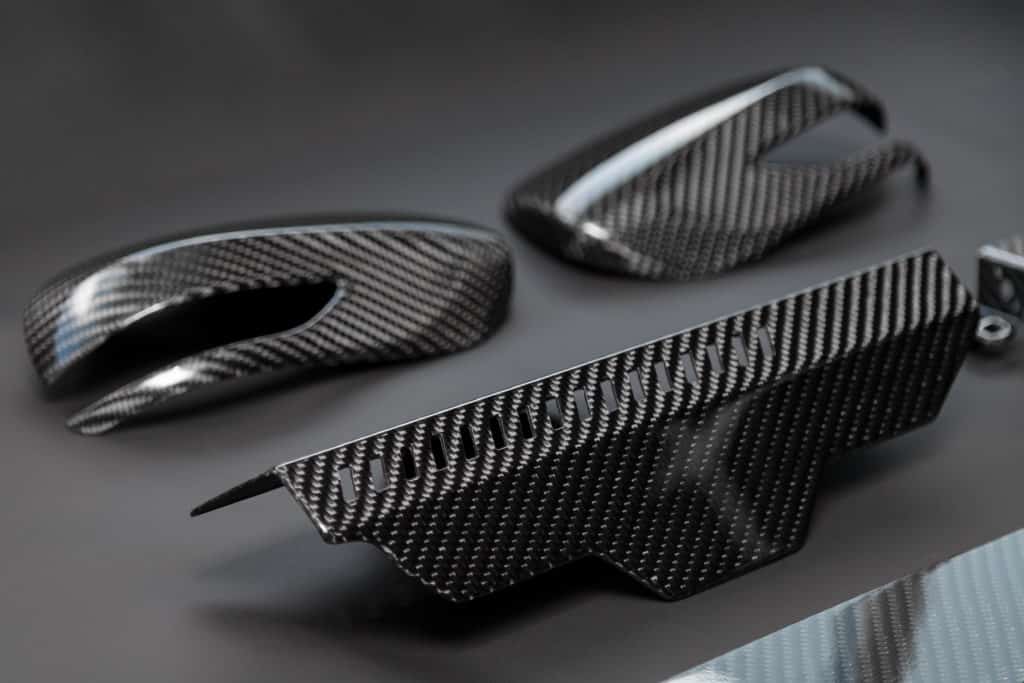
Carbon black is mainly used in tyres, but also in dyes, paints, batteries, and cells. This by-product makes the process economically interesting, but also strategic: there is currently a shortage of carbon black in Europe, as most of the production comes from Russia and Ukraine.
Isn’t there a risk that we will end up producing more carbon black than we need?
If all of our current hydrogen production were replaced by turquoise hydrogen, the market would be saturated very quickly, and we would end up with “mountains” of solid carbon. Industrialists are already studying 2nd or 3rd generation pyrolysis. Carbon black could be used for massive new applications, such as in construction materials or soil improvement. The last solution would be to bury it. Rather than storing CO2, storing carbon black could help reduce GHGs. But this stage would only be reached if the process is developed on a phenomenal scale.
What role does turquoise hydrogen have to play in the energy transition?
In the medium to long-term, turquoise hydrogen could play a major role in current hydrogen applications by replacing SMR processes. The current production of hydrogen (used in the steel industry, agriculture or refining) amounts to 60 million tonnes each year. This represents almost 2% of total CO2 emissions worldwide, as 96% of it is produced by methane reforming. We should therefore start by reducing these emissions before developing new applications!
Turquoise hydrogen has a major role to play in decarbonising the hydrogen industry. Despite the current craze for water electrolysis, this process is extremely energy-intensive and is not profitable today: turquoise hydrogen has reached technological maturity and an economic model that is already sustainable.