COP29: crucial decisions to protect small island states





- COP29 is a crucial opportunity to put forward the decisions needed to protect Small Island Developing States (SIDS).
- These countries and territories face unique development challenges linked to their small geographical size, isolation and limited natural resources.
- At COP28, the creation of the ‘Loss and Damage’ fund committed nations to investing in the ecological transition of SIDS, and COP29 aims to introduce new innovative solutions.
- The MAPs encourage multi-sectoral strategies to reduce GHG emissions and strengthen the resilience of SIDS to climate risks.
- It is up to the international community to prioritise financial resources and simplify access to climate financing for SIDS.
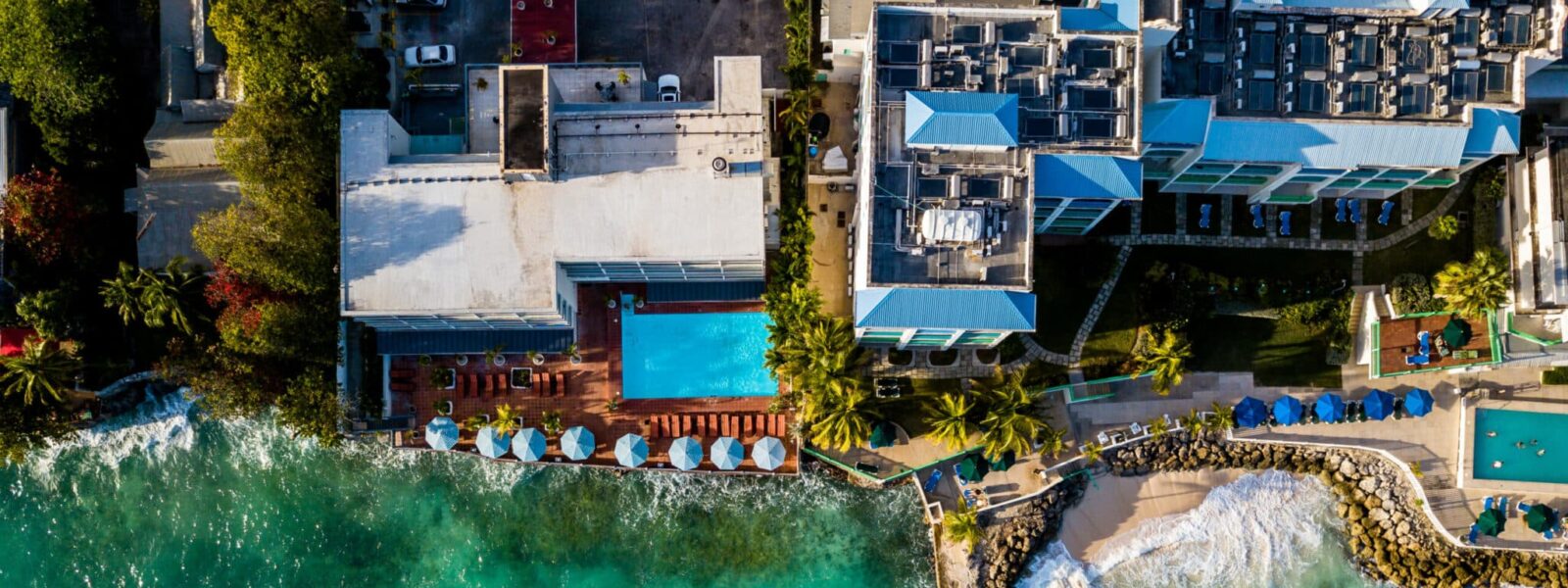
Small Island Developing States (SIDS) is a term used to describe a distinct group of developing countries that share specific social, economic, and environmental vulnerabilities. This group of countries and territories1 exhibit unique development challenges due to their small geographical size, isolation, and limited natural resources. Their economic vulnerabilities stem from reliance on a narrow range of exports and high import dependence, exacerbated by their exposure to environmental risks, including climate change, natural disasters, and sea-level rise, which threaten both urban and rural communities, making climate change a daily reality for these island nations rather than a theoretical threat.
The United Nations (UN) has recognised the unique challenges faced by SIDS and has provided platforms such as the Barbados Programme of Action (1994), the Mauritius Strategy (2005), and the SAMOA Pathway (2014) to address their specific needs. International climate conferences, notably COP28 and COP29, have increasingly spotlighted SIDS resilience strategies, financing gaps, and the pressing need for global collaboration to support these vulnerable nations.
Recognising these vulnerabilities, international efforts have focused on addressing the unique needs of SIDS, particularly through initiatives highlighted at COP conferences.
From commitments to action: SIDS at COP28 and COP29
At COP28, the historic agreement to establish the “Loss and Damage” fund was a momentous step forward. Initially proposed at COP27, this fund committed numerous countries to invest in the ecological transition and climate adaptation measures of developing nations. The total amount pledged during COP28 reached approximately $770 million. However, this figure represents only about 0.2% of the estimated needs of SIDS, which encompass investments in adaptation technologies crucial to prevent their physical disappearance and transitioning to sustainable energy sources2.
Building on this foundation, COP29 shifted the focus from commitments to operationalisation. The Loss and Damage Fund became ready to distribute funds by 2025, with Sweden contributing an additional $19 million, bringing total commitments to over $720 million. This milestone reflects progress, yet as UN Secretary-General António Guterres emphasised, much more is required. At COP29, he called for innovative funding sources such as solidarity levies on shipping, aviation, and fossil fuel extraction, and for strengthening multilateral lending capacities to meet the scale of the crisis:
“The creation of the Loss and Damage Fund is a victory for developing countries, for multilateralism, and for justice. But its initial capitalisation of $700 million doesn’t come close to righting the wrong inflicted on the vulnerable (…). I urge countries to commit new finance to the Fund. And to write cheques to match. But bilateral flows alone won’t suffice. We need new responses, and new sources, to meet the scale of need. I urge countries to agree a new climate finance goal that taps innovative sources. We need to implement solidarity levies on sectors such as shipping, aviation, and fossil fuel extraction – to help fund climate action. We need a fair price on carbon. And, more broadly, we also need to support Multilateral Development Banks in order to increase the lending capacity, so they are fit to respond to the climate crisis.”
SIDS leaders at COP29 echoed these demands. The Chair of the Alliance of Small Island States (AOSIS), Hon. Toeolesulusulu Cedric Schuster, stressed the urgency of accessing and operationalizing the fund, underscoring the need for equitable and streamlined pathways to climate finance:
“At COP26, we were promised the doubling of adaptation finance, yet access remains challenging for countries like ours with the least capacity and resources. (….) The newly established fund for responding to loss and damage must come into play here. Small island states have advocated for such a fund for many years. It is critical that it is fully operationalised, capitalised, and begins to disburse finance as quickly as possible.”
The adoption of the Baku Declaration at COP29 further emphasised practical actions, elevating SIDS voices and addressing health impacts through collaborations with the World Health Organization and other stakeholders. This expanded agenda reflects a holistic understanding of resilience, moving beyond finance and infrastructure to include public health and well-being.
Multisectoral Action Pathways and resilience of vulnerable coastal cities
Due to their remote location, scarcity of resources, and susceptibility to severe weather, SIDS are particularly vulnerable to the effects of climate change. Innovative, integrated solutions that tackle both short-term risks and long-term sustainability are required to address these exacerbated issues. Adopting Multisectoral Action Pathways (MAPs), a framework created to address the interrelated issues SIDS face, especially in their most vulnerable regions, like coastal cities, is one such solution.
Through coordinated efforts across sectors such as infrastructure, finance, education, health, and agriculture, MAPs provide a cooperative framework to address complex societal challenges. MAPs generate synergies that bolster resilience by coordinating common objectives, involving stakeholders, combining resources, and guaranteeing governance accountability. MAPs promote integrated planning in the areas of energy, transportation, and urban development for climate adaptation, which lowers greenhouse gas emissions and increases communities’ ability to withstand climate risks.
Because of their remote location, delicate ecosystems, and reliance on resource-dependent economies, SIDS face additional difficulties. These vulnerabilities grow severe by a lack of funding, heavy debt loads, and inadequate technological and human resources. Extreme weather events like hurricanes, cyclones, and rising sea levels exacerbate environmental threats like soil erosion, land degradation, and water scarcity, putting vital infrastructure and livelihoods at risk. The urgent need for focused resilience strategies is highlighted by the fact that Pacific islands like Vanuatu regularly face cyclones and coastal erosion, while Caribbean countries like Dominica and Jamaica struggle with rapid urbanization and the growth of informal settlements3.
The urgent need for focused resilience strategies is highlighted by the fact that Pacific islands like Vanuatu regularly face cyclones and coastal erosion.
Adapting to climate impacts is hindered by siloed urban management that fragments responses across sectors like infrastructure, health, and environment. Insufficient data sharing between agencies further reduces efficiency and complicates the implementation of coordinated strategies4.
Financing is another major obstacle, with unevenly distributed resources making it difficult for SIDS to secure equitable and consistent support for long-term resilience5. Targeted, multisectoral approaches like MAPs are crucial for addressing these interconnected challenges efficiently. The following case studies illustrate how MAPs are applied to strengthen resilience in the Pacific and Caribbean regions.
Regional resilience strategies: Pacific and Caribbean islands
In Vanuatu, MAP initiatives like the Integrated Urban Resilience in Small Island Developing States (IUR-SIDS) and the Greater Port Vila Urban Resilience Project (GPVURP) demonstrate how multisectoral strategies enhance resilience. Supported by the Asian Development Bank and UNDP, resource pooling and stakeholder engagement have been critical to these projects, enabling the integration of infrastructure, governance, and ecological solutions, such as cyclone shelters, urban planning training, and mangrove restoration for coastal defence. Their impact extends beyond Port Vila, serving as a resilience model for other Pacific islands6.
GPVURP focuses on governance and infrastructure, involving public participation and hazard mapping to address disaster risks. With $11.77 million in funding, it emphasises local solutions to withstand cyclones and reduce urban flooding7.
MAP programs in the Caribbean underline the importance of local government involvement in climate adaptation. In Jamaica, the Local Governance Act of 2016 mandates municipalities to enforce urban planning, promote environmental health, and manage disasters. Despite funding and technical challenges, ICT tools like social media have improved citizen engagement, enabling communities in Kingston to participate in climate adaptation8.
Similarly, Trinidad & Tobago’s Municipal Corporations Act tasks local governments with disaster management and environmental regulation, but financial and technical limitations hinder full implementation. Issues like flooding highlight the need for multisectoral partnerships to address resilience. MAP approaches in Trinidad and Jamaica could enhance climate adaptation by fostering collaboration between governments, businesses, and international organizations, promoting resource sharing, data access, and capacity building.
Comparative insights: Caribbean and Pacific approaches
Pacific and Caribbean SIDS are using different strategies for climate resilience. The Pacific relies on regional cooperation, exemplified by the Pacific Islands Forum and PACRES, to coordinate disaster responses, protect marine resources, and build shared capacities. In contrast, the Caribbean focuses on international partnerships like PACC 2030 (U.S.-Caribbean Partnership to Address the Climate Crisis 2030), which supports clean energy projects and development financing to meet Paris Agreement goals. These differences suggest that while Caribbean islands benefit from global partnerships and national policy integration, Pacific islands require regional collaboration. Flexible MAP strategies are essential to address each region’s unique socioeconomic and geographic needs.
Future prospects and a call to action
As COP30 approaches, the momentum gained at COP29 presents a vital opportunity to expand MAP programs and secure meaningful international support for SIDS. The shift from pledges to tangible action underscores the need for collaboration, innovative solutions, and tailored resilience strategies.
While progress has been made, significant gaps remain. The international community must prioritise financial resources, technical assistance, and streamlined access to climate finance. Partnerships that address the unique vulnerabilities of SIDS are essential to ensuring sustainable and equitable solutions.
The stakes are existential. With decisive action, innovative investments, and global solidarity, SIDS can transform into models of resilience and sustainability, navigating the challenges of climate change with strength and adaptability. MAPs offer a practical framework to achieve this, fostering collaboration across sectors and empowering local communities to implement tailored, impactful solutions. The time for promises is over. The future of SIDS depends on immediate, coordinated action from the global community.
↑